Asian-Style Spareribs
Everyone knows spareribs. At restaurants, you order all-you-can-eat ribs; at home, you order them delivered. Spareribs are the perfect excuse to eat with your hands and end up with marinade all over your fingers. Literally finger-licking good. Gijs will show you how to make amazing spareribs yourself, which is way more fun.
Ingredients:
- Spareribs (unseasoned)
- Apple cider
- Aluminum foil
- Smoking wood (apple/pear/cherry/hickory/fig)
- Enough beer for yourself and your guests
- 1 tbsp coarse salt
- 1 tbsp freshly ground pepper
- 2 tbsp brown sugar
- 1.5 tbsp paprika powder
- 1.5 tsp mustard powder
- 2 tsp garlic powder
- 4 cloves fresh garlic
- 1 piece of ginger
- 1/2 red chili pepper
- 1 star anise
- 1 cinnamon stick
- 3 cloves
- 100 ml soy sauce
- 150 ml ketjap manis
- 75 ml apple vinegar
- 100 ml soy sauce
- 150 ml ketjap manis
- 50 ml apple vinegar
- 4 heaped tablespoons apple syrup
- Hot sauce of your choice (optional)
Preparation:
One of the most common ways to cook spareribs is the 3-2-1 method. The idea is that the ribs are cooked in three phases. Many people think 3-2-1 always means 3 hours, 2 hours, 1 hour, but that is not necessarily true. Cooking time depends on the meat itself. For this recipe, Gijs chose meaty ribs, so his cooking time is a little longer. If your ribs are less meaty, it can be smart to shorten the cook slightly.
Because Gijs is using frozen spareribs, they need to thaw first. The best way is to place them in the fridge one day in advance.
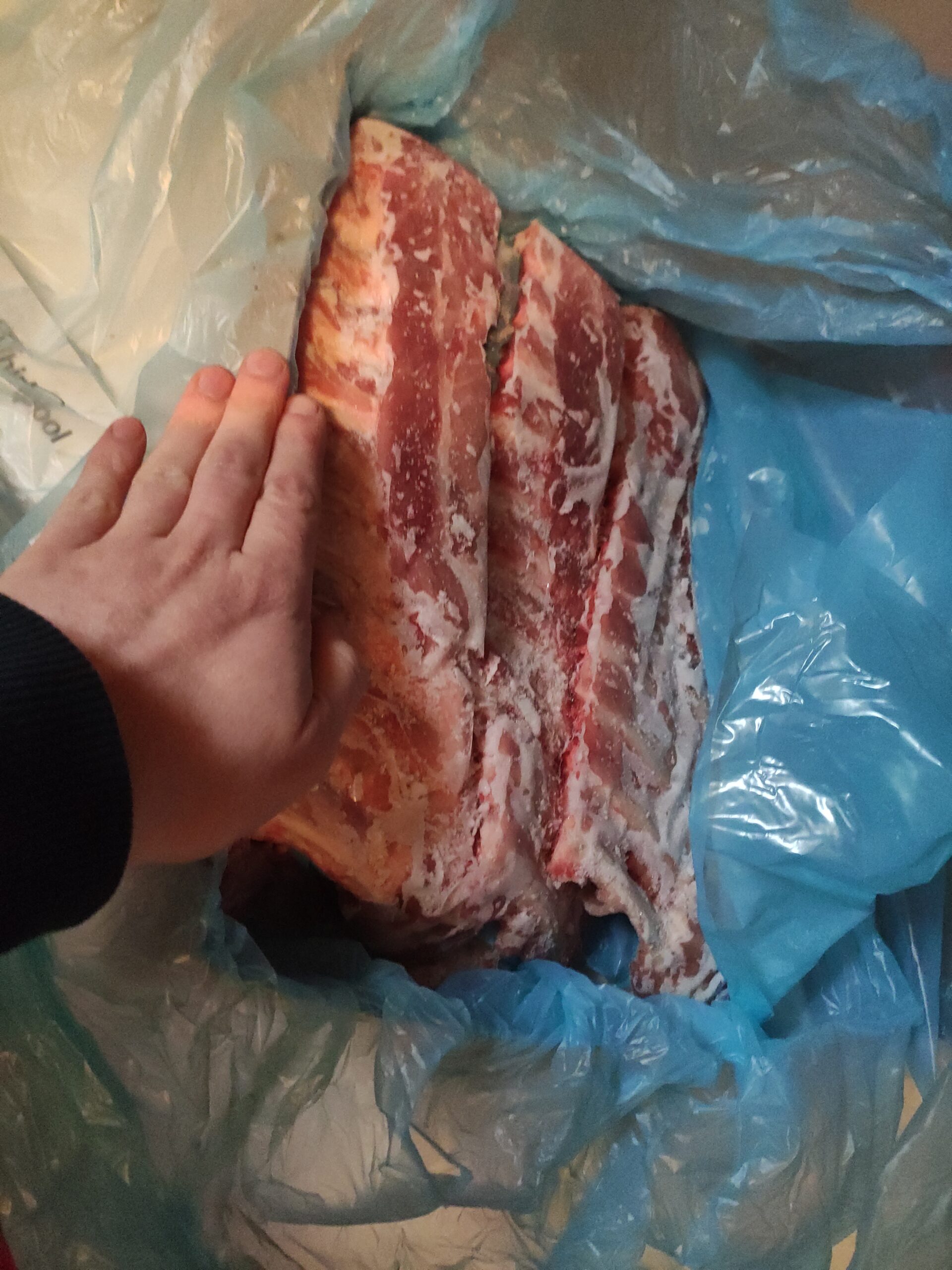
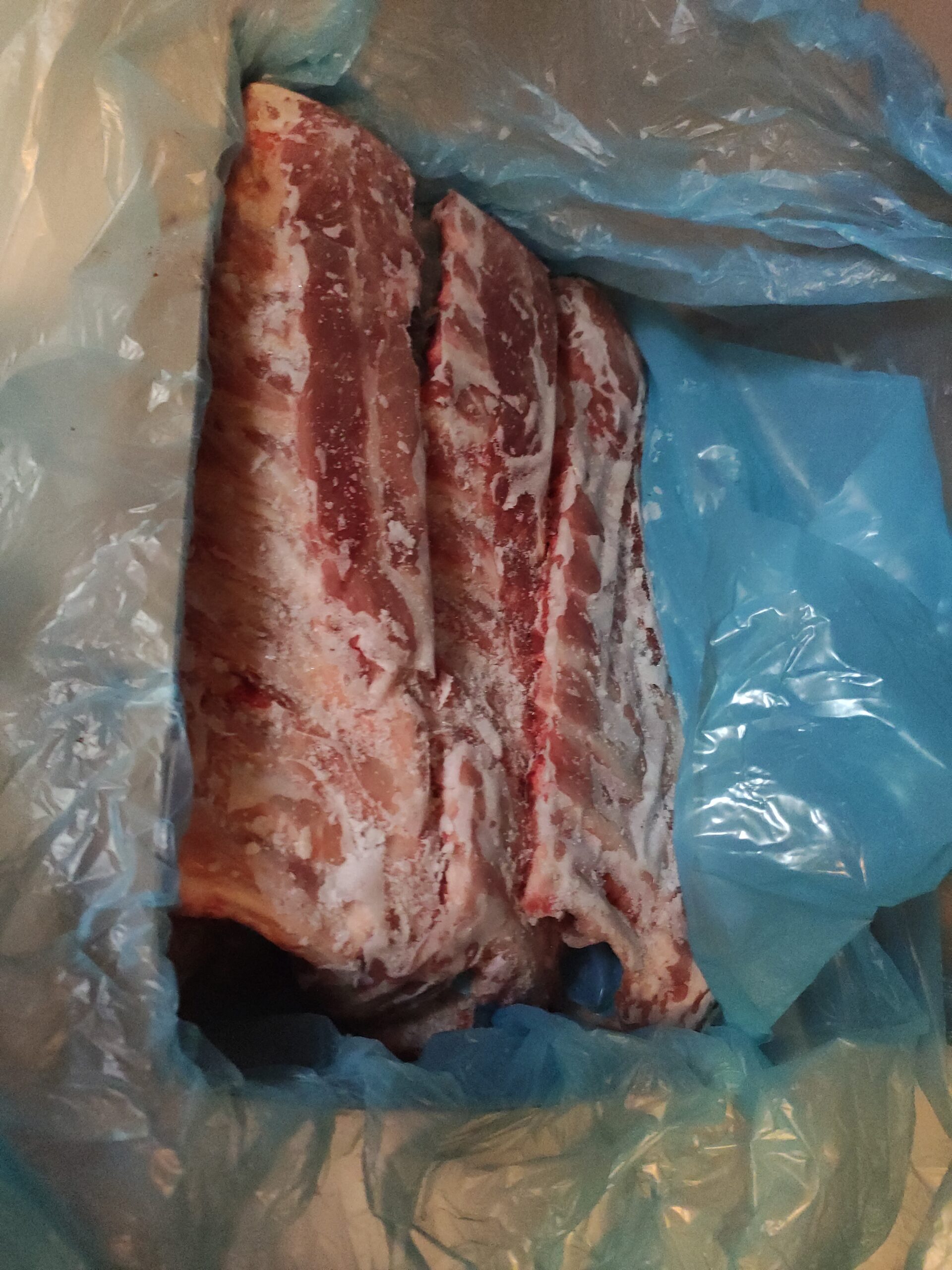
Once the ribs are thawed, the real prep can begin. For maximum flavor, Gijs starts the evening before barbecuing. The ribs need to marinate, and because Gijs does not want to eat at 10 p.m., he lets them sit in marinade overnight.
Before marinating, it is important to prep the meat. With meaty spareribs, there can be large pieces of fat, so Gijs trims those off first.
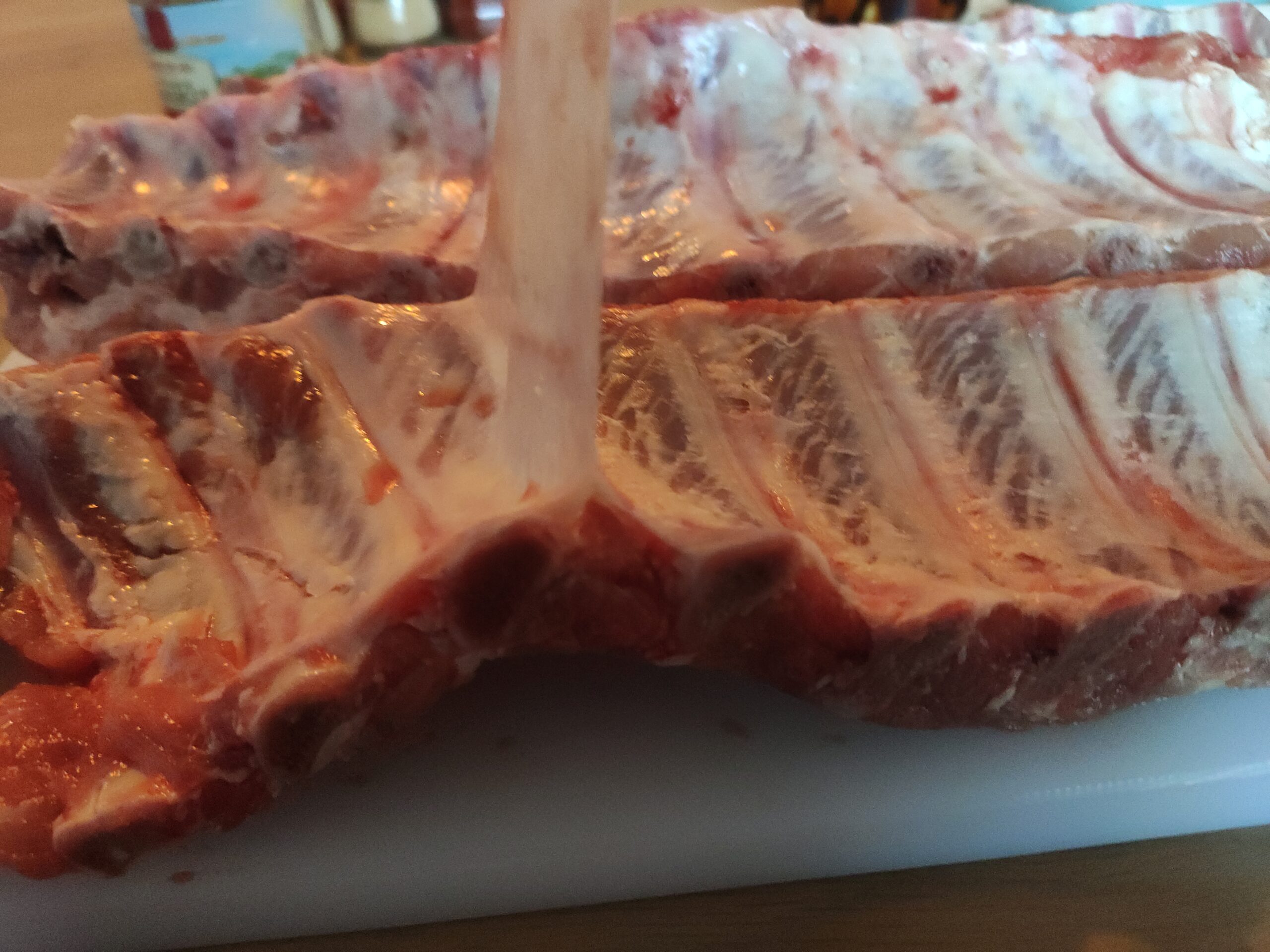
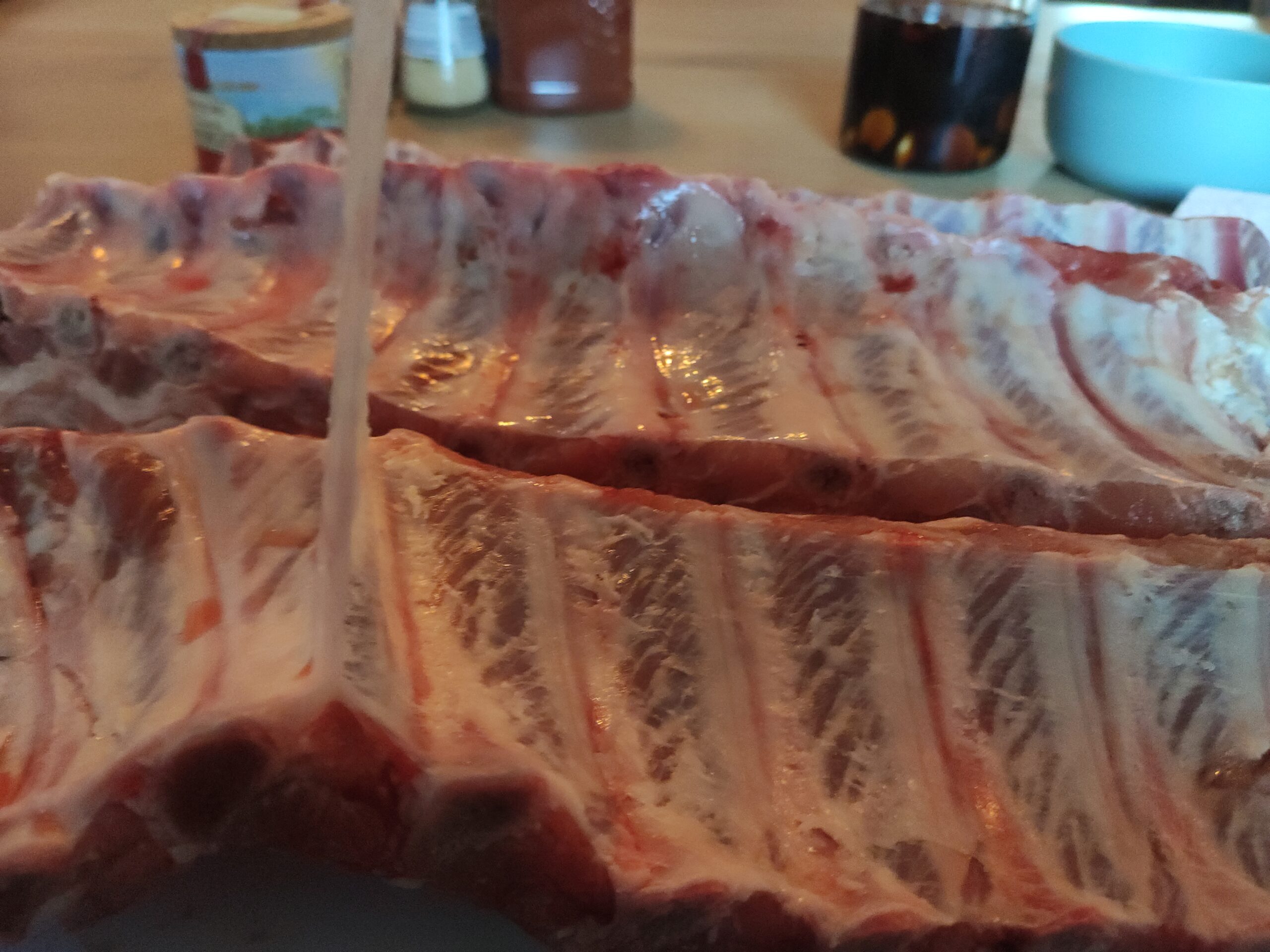
Next, remove the membrane from the concave side of the ribs. Gijs uses a blunt knife to lift a starting edge, then pulls the whole membrane off in one go. He uses a piece of kitchen paper for extra grip. If your membrane does not come off in one piece, you can carefully cut it loose along the bone and remove it in sections.
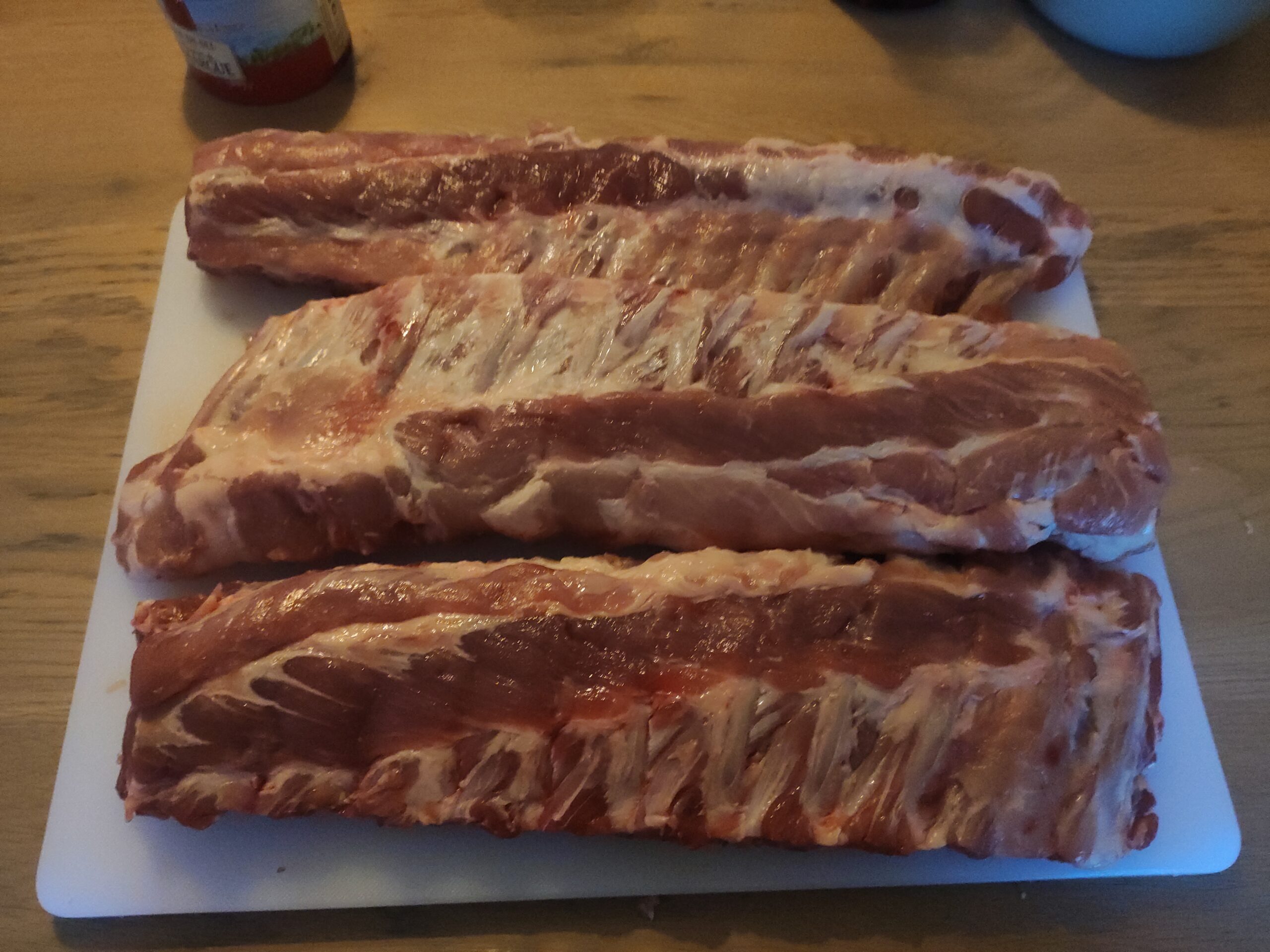
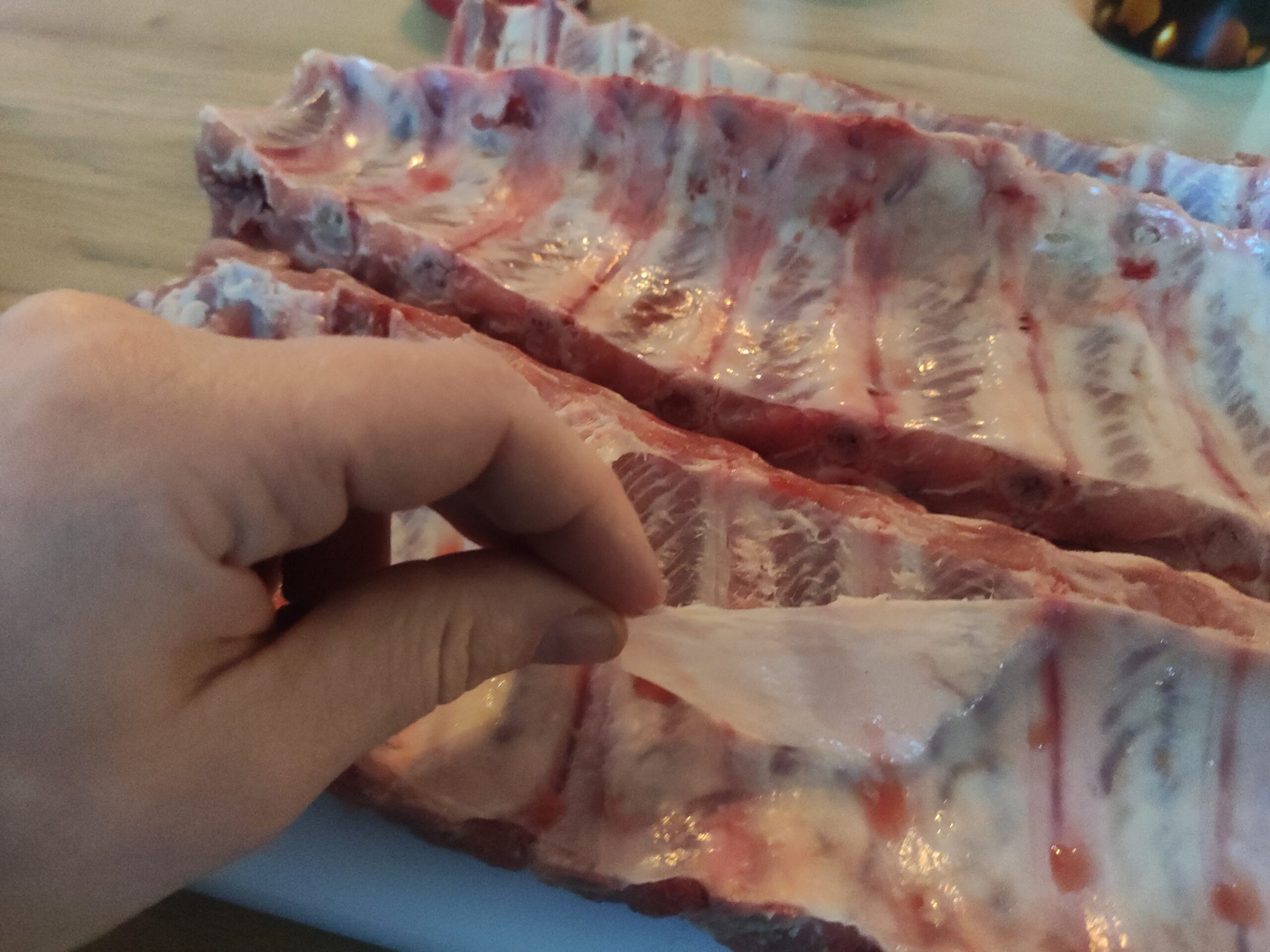
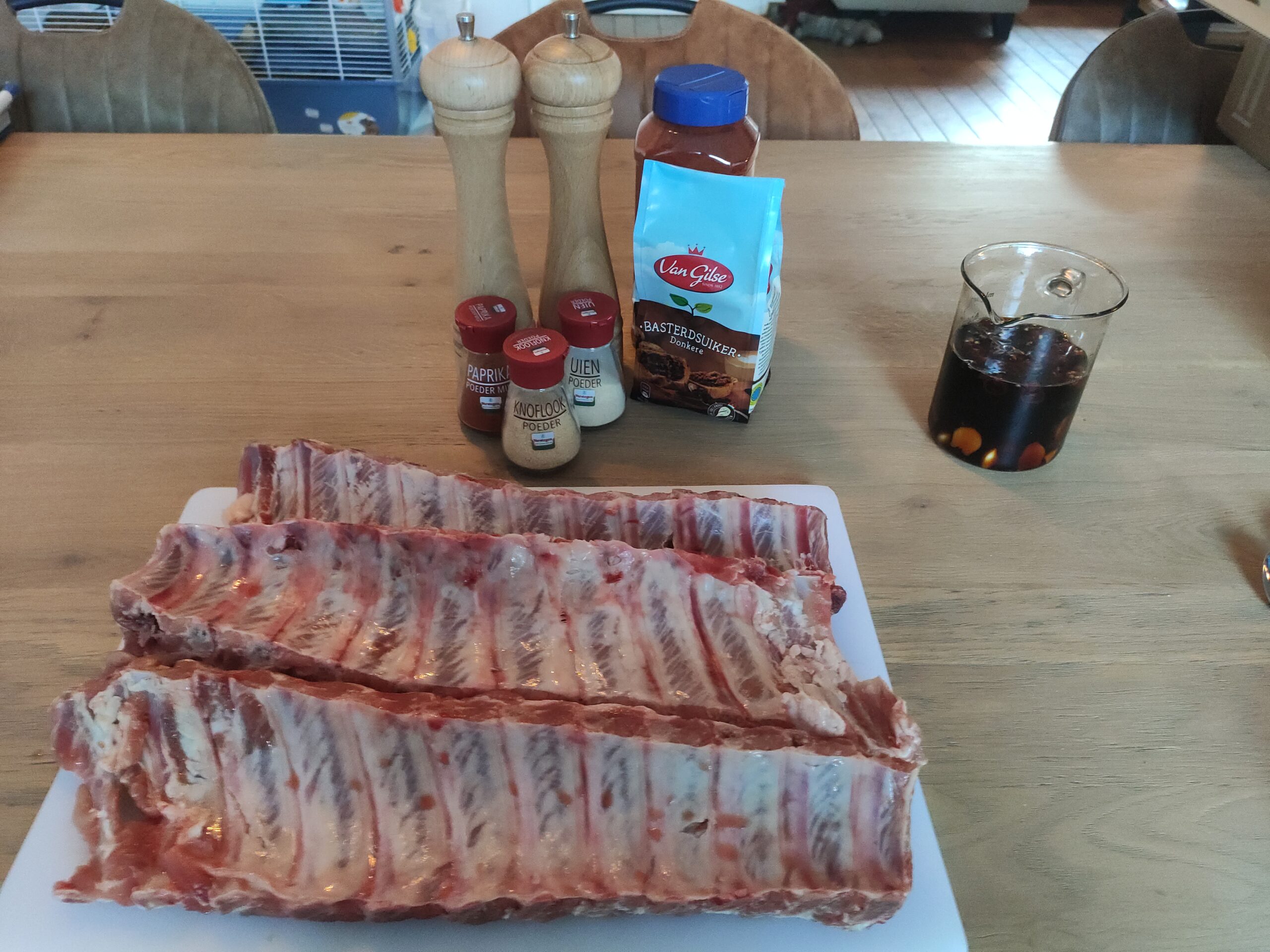
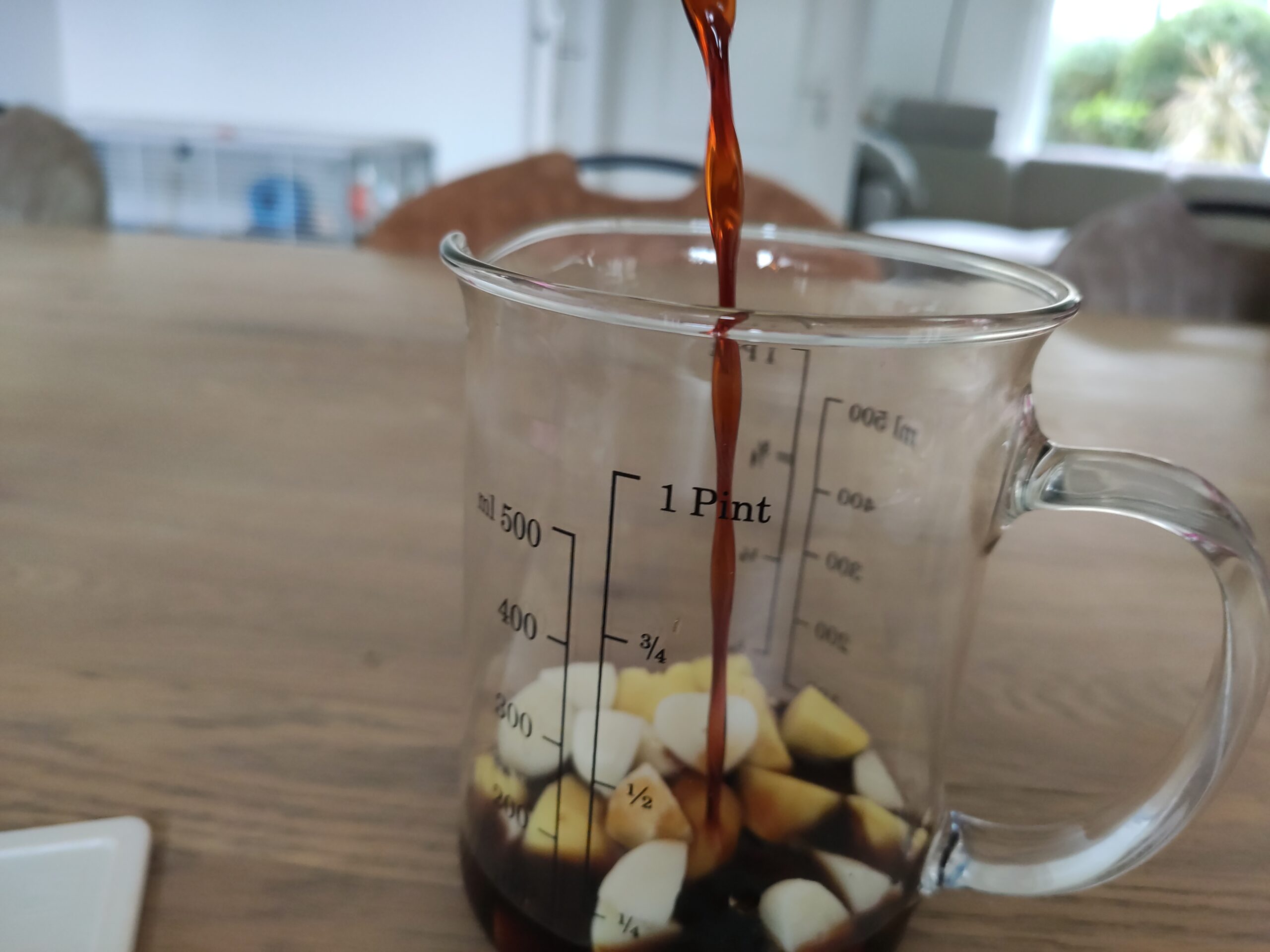
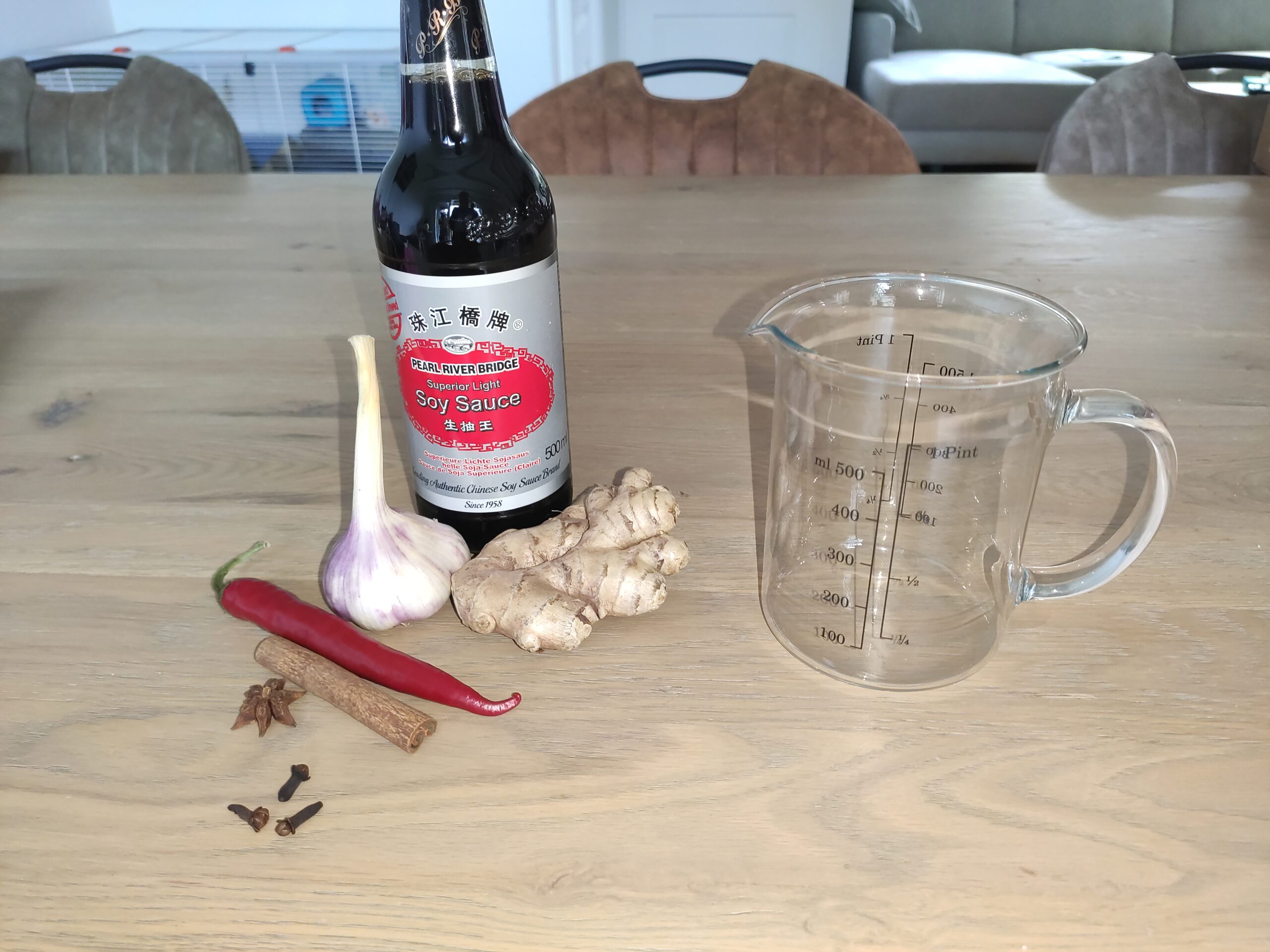
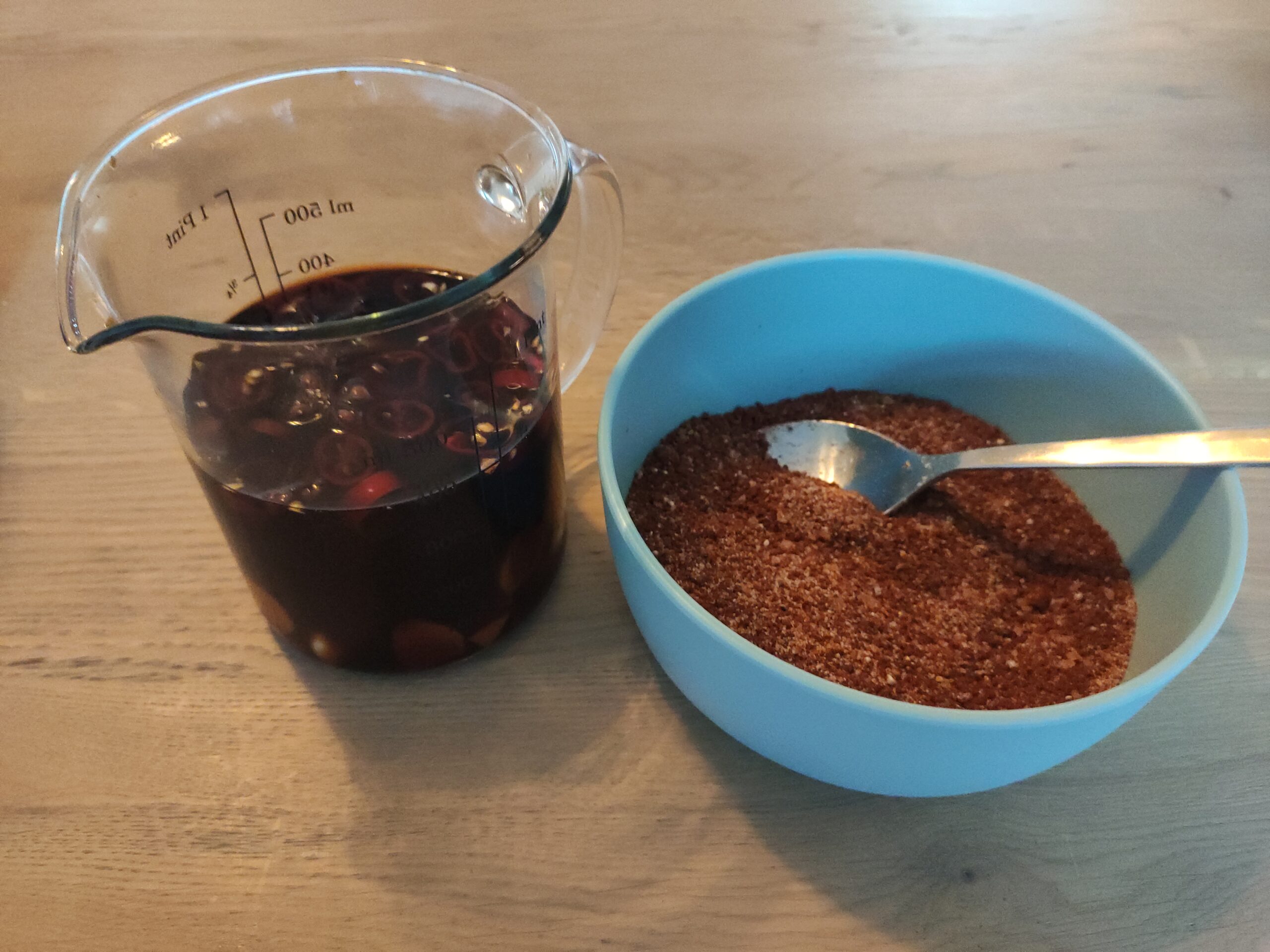
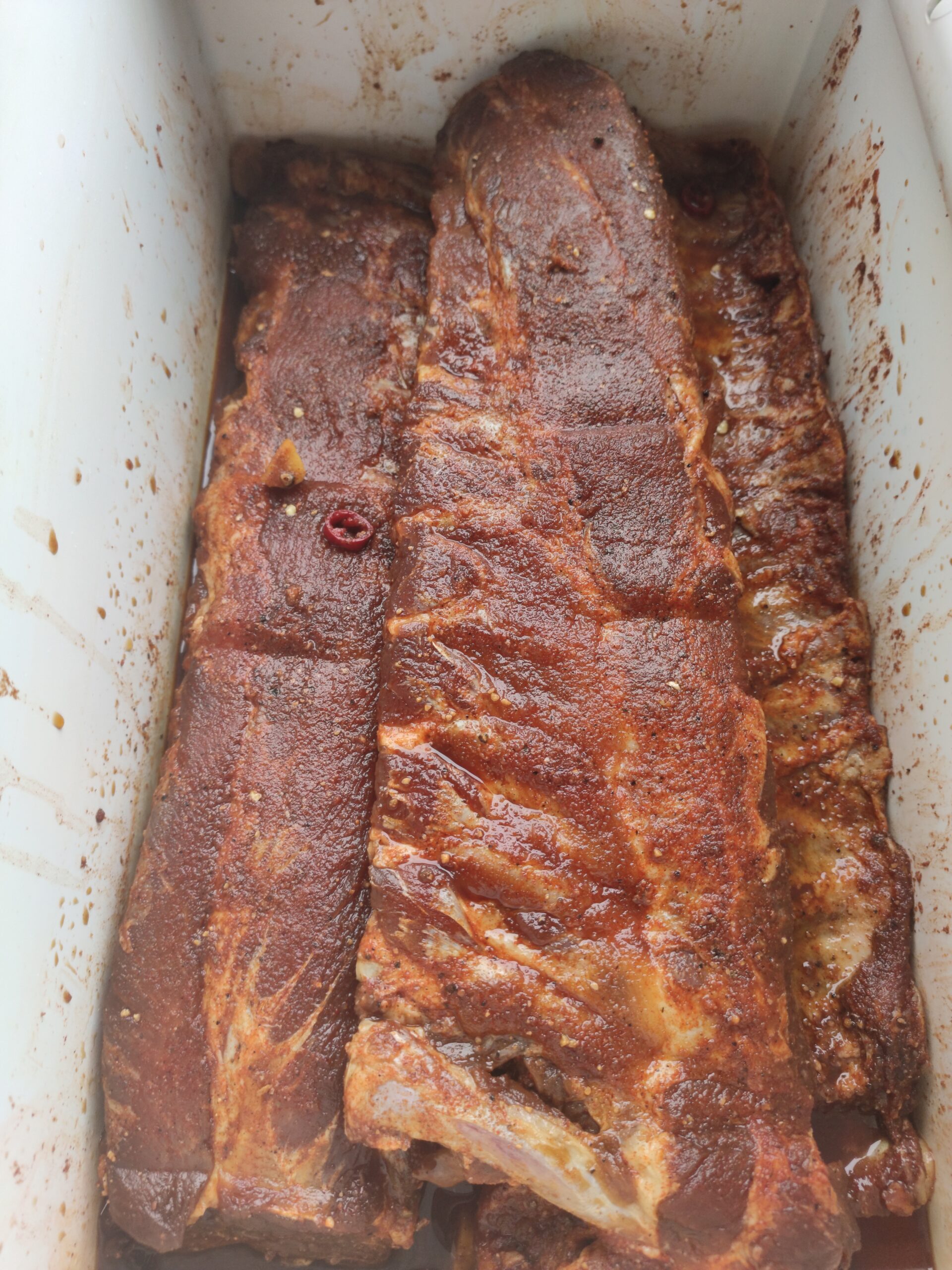
Once the meat is prepped, it is time to make the marinade and rub. Gijs starts with the marinade so the flavors get some time to blend. For the marinade, he slices half a red chili pepper into rings, then roughly chops a piece of ginger and 4 garlic cloves. These go into a container with 1 star anise, 1 cinnamon stick, and 3 cloves. Then Gijs adds 100 ml soy sauce, 150 ml ketjap manis, and 75 ml apple vinegar.
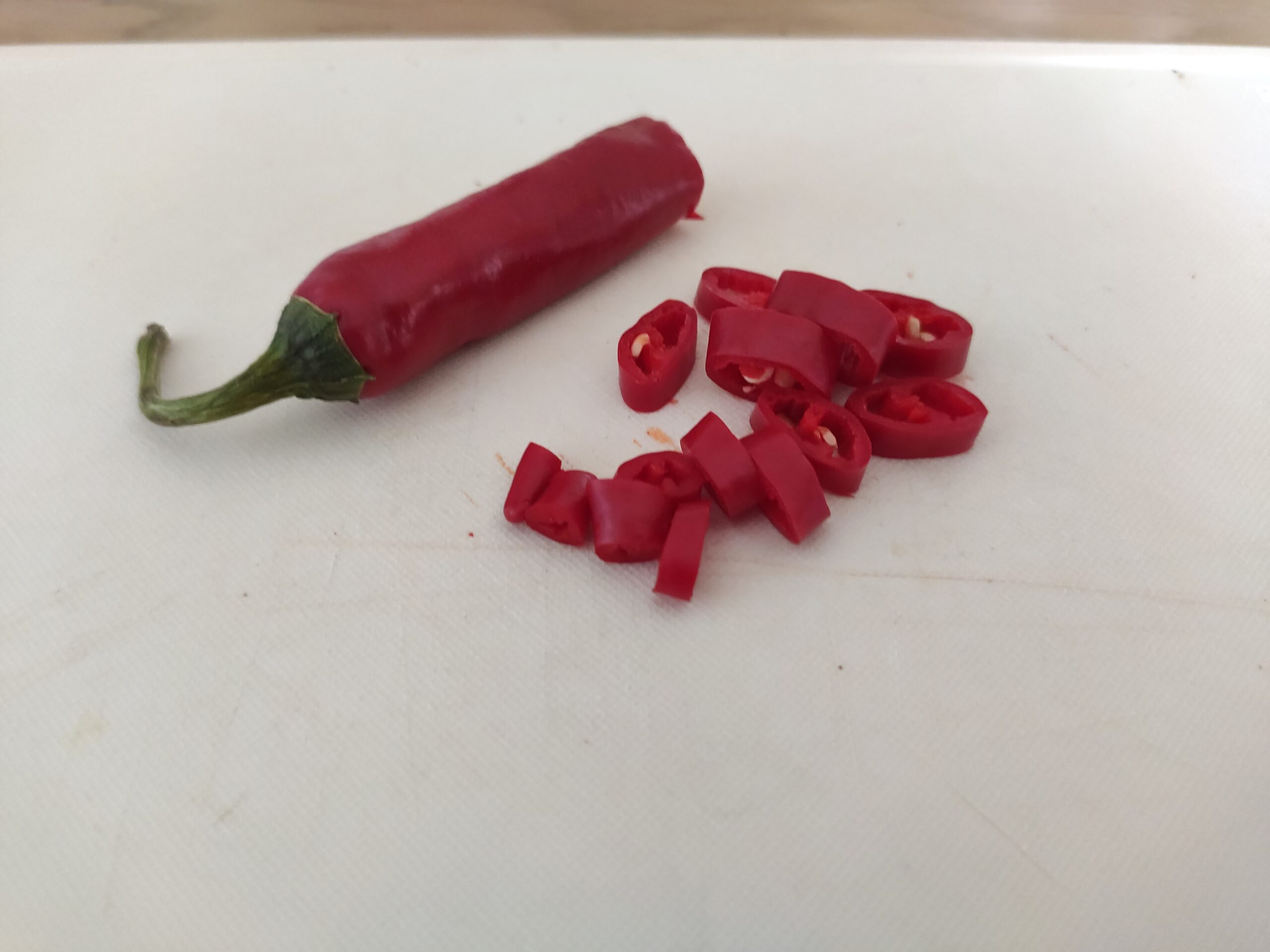
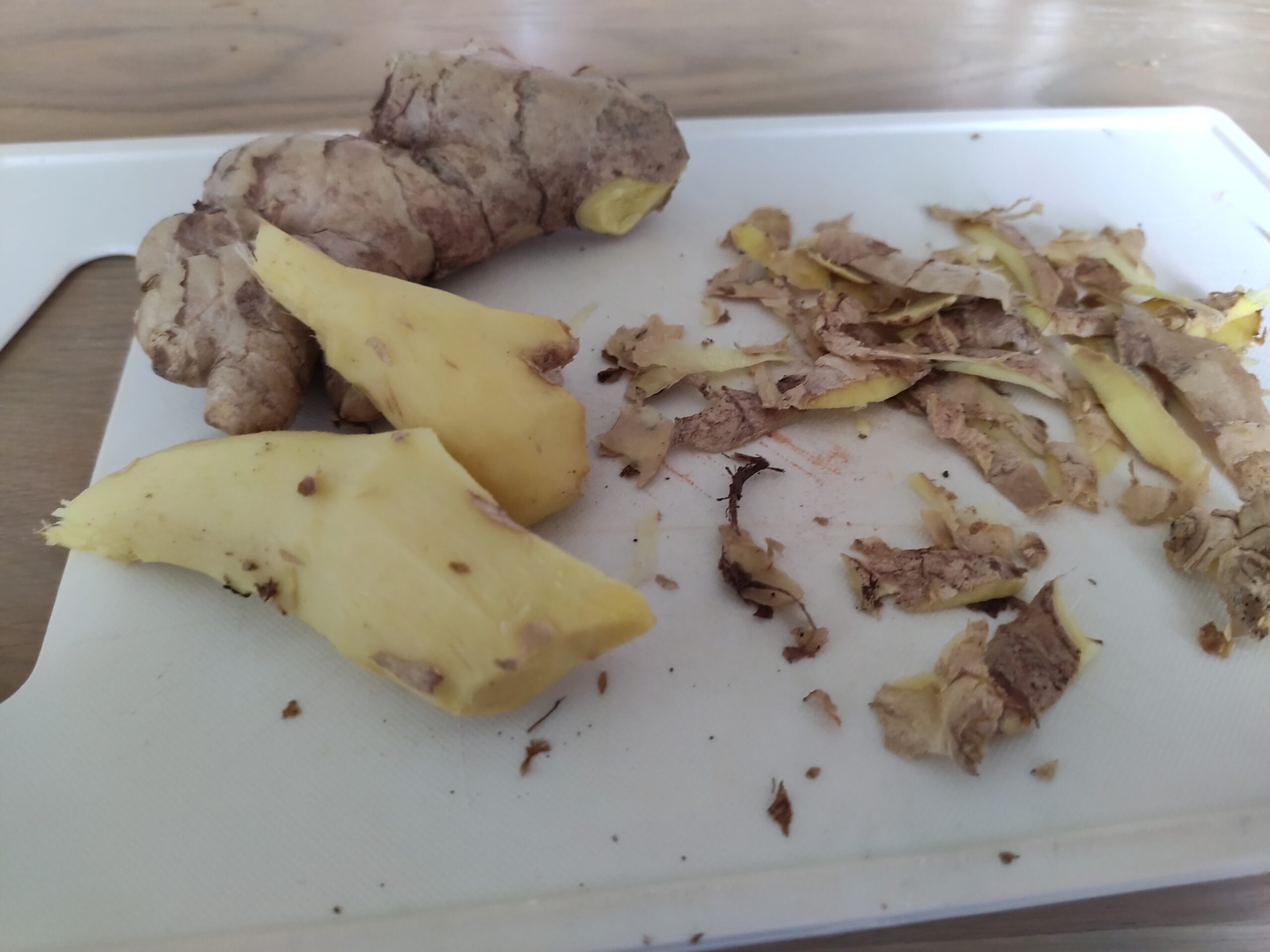
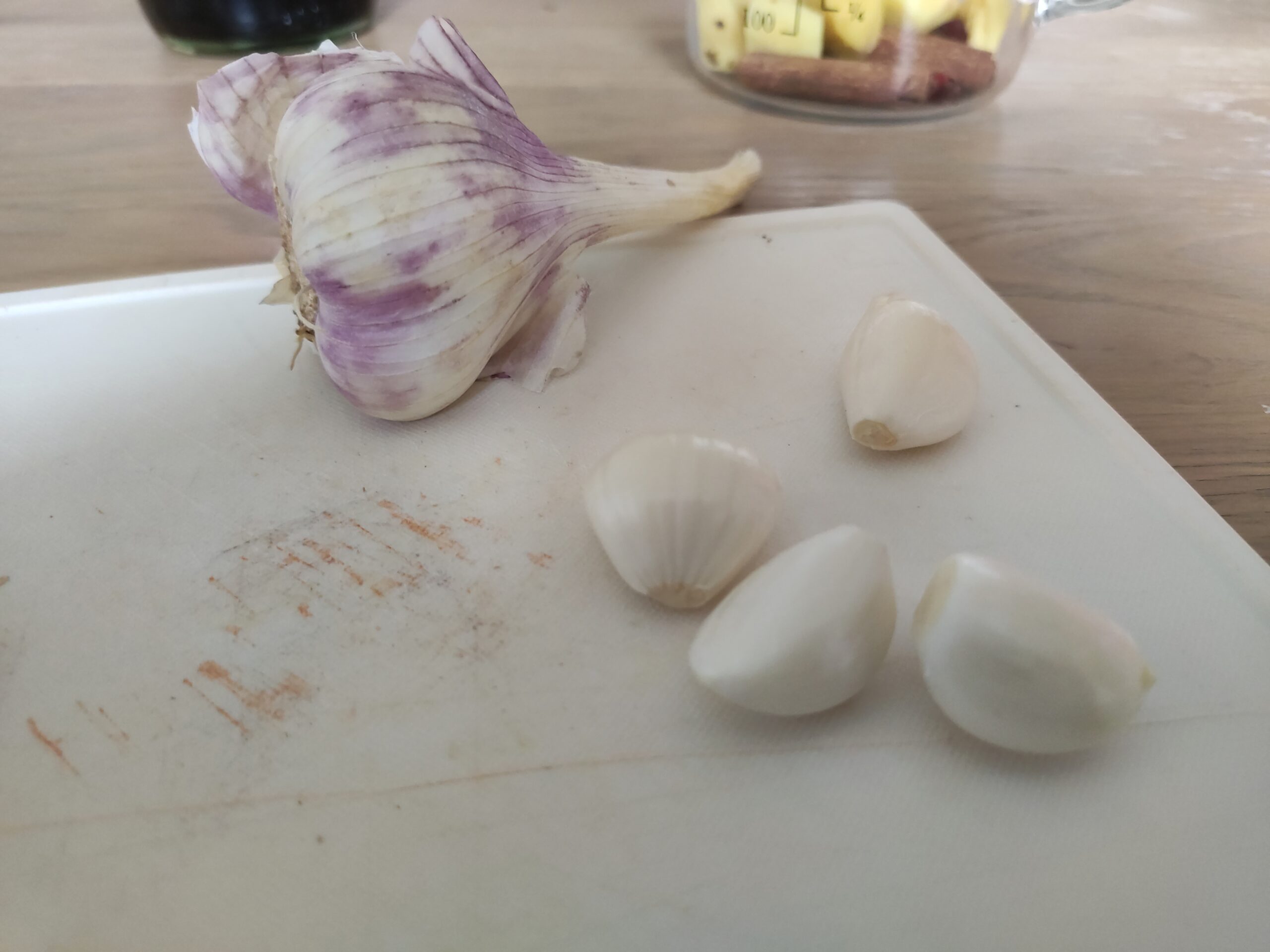
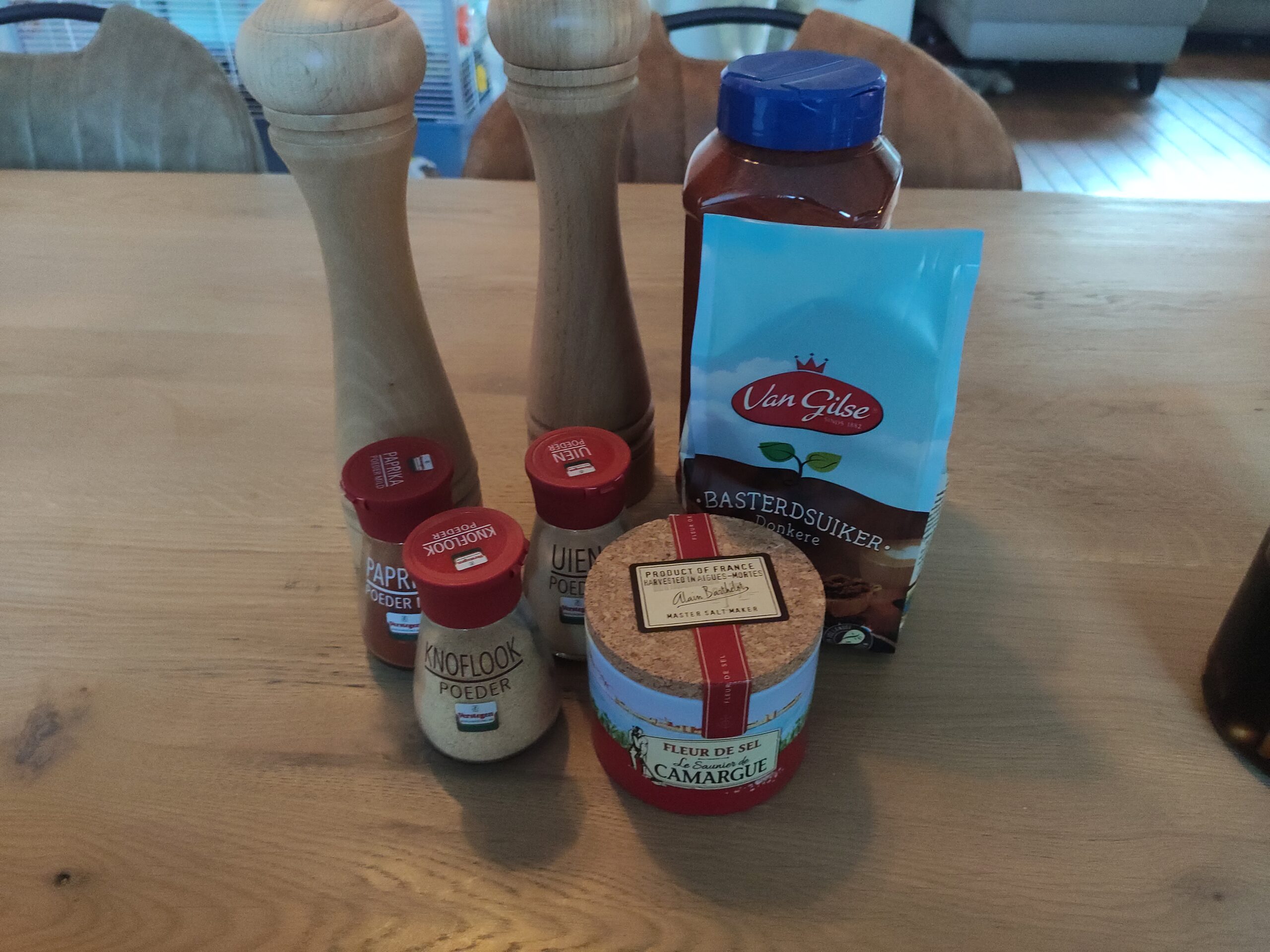
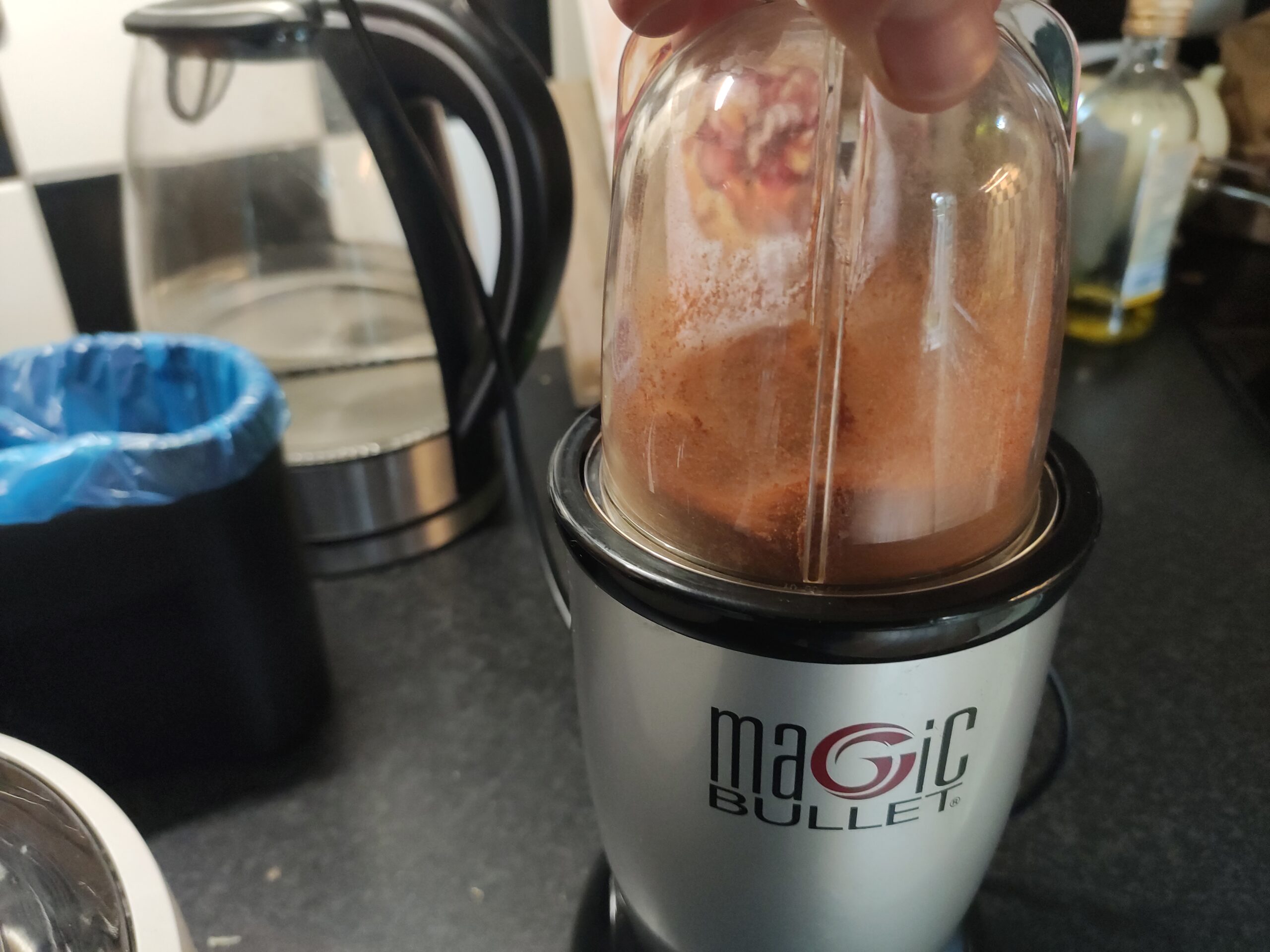
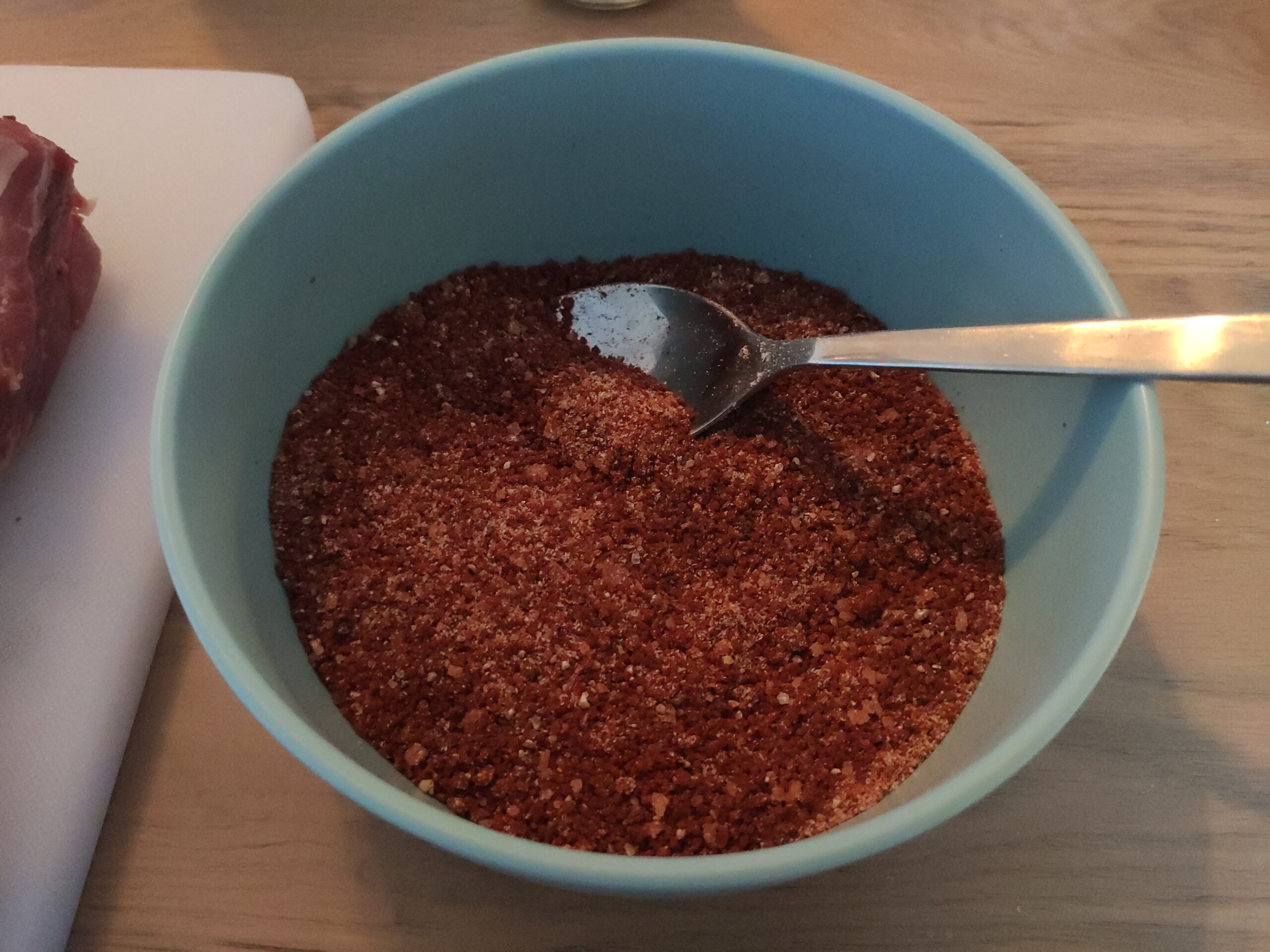
Next is the rub. Because the ribs are also marinated and later mopped, Gijs keeps the rub simple. He makes it extra easy by blending everything in an electric coffee grinder, so he does not have to grind salt and pepper separately. Smart Gijs. Applying the rub does not have to be super exact, since some spices will dissolve or wash off in the marinade, but Gijs still makes sure not to forget the sides.
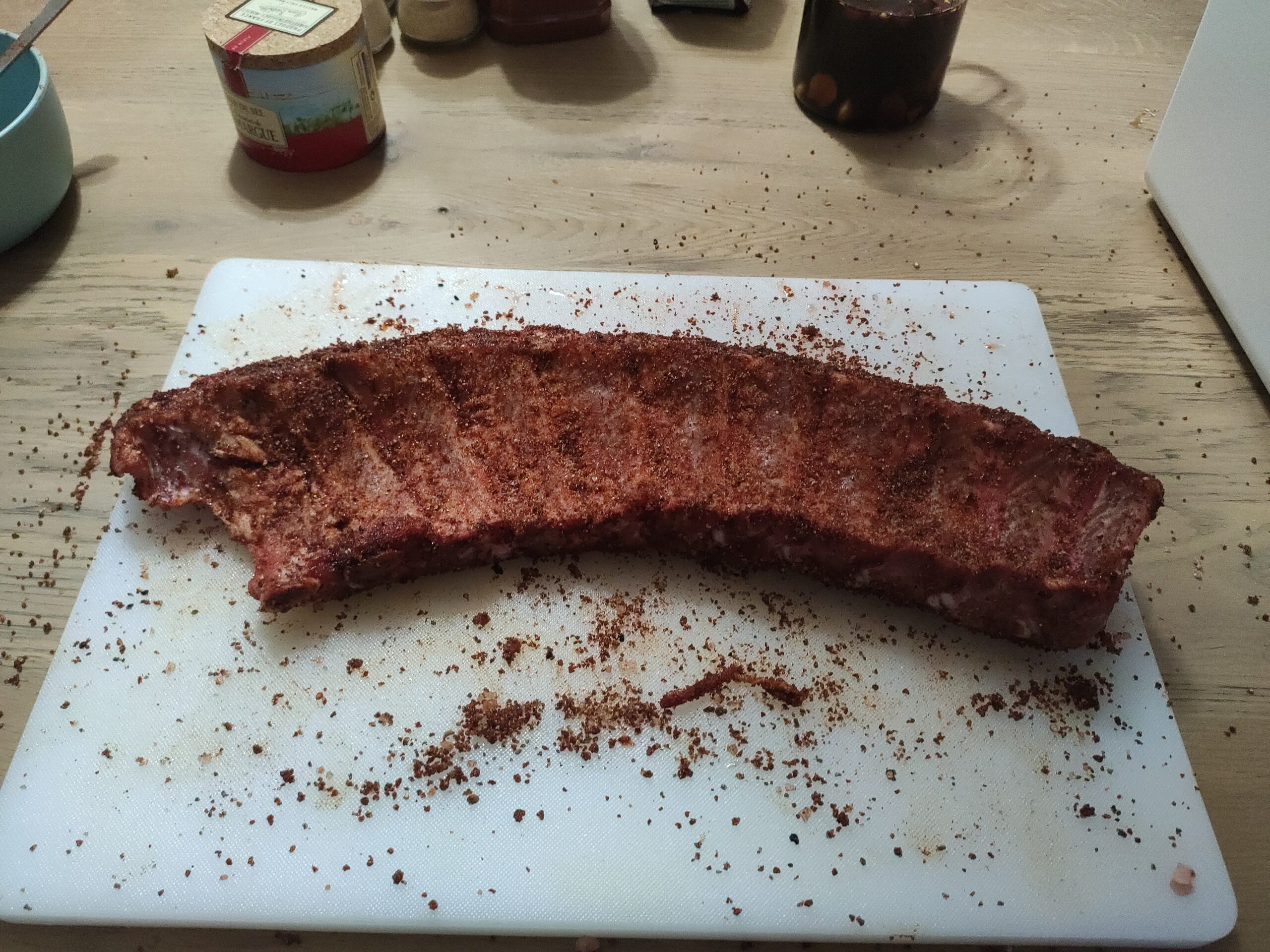
Now it is time to marinate the ribs. Use a large container so the ribs fit in one piece. If you do not have a suitable container, get creative: for this step, Gijs used a freezer drawer after washing it thoroughly. Place the ribs in one by one and coat them all around in the marinade. Once fully covered, they can go into the fridge overnight.
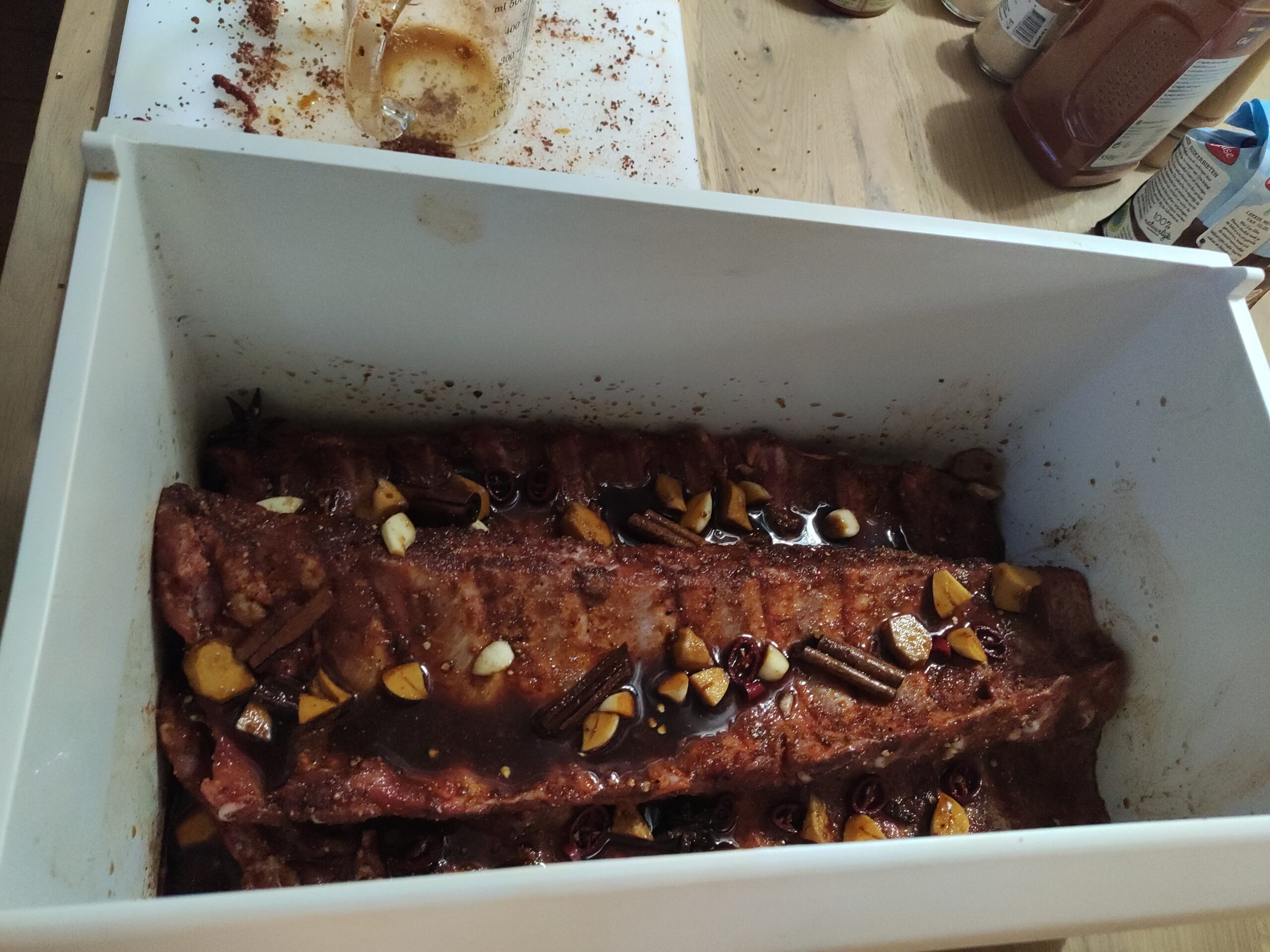
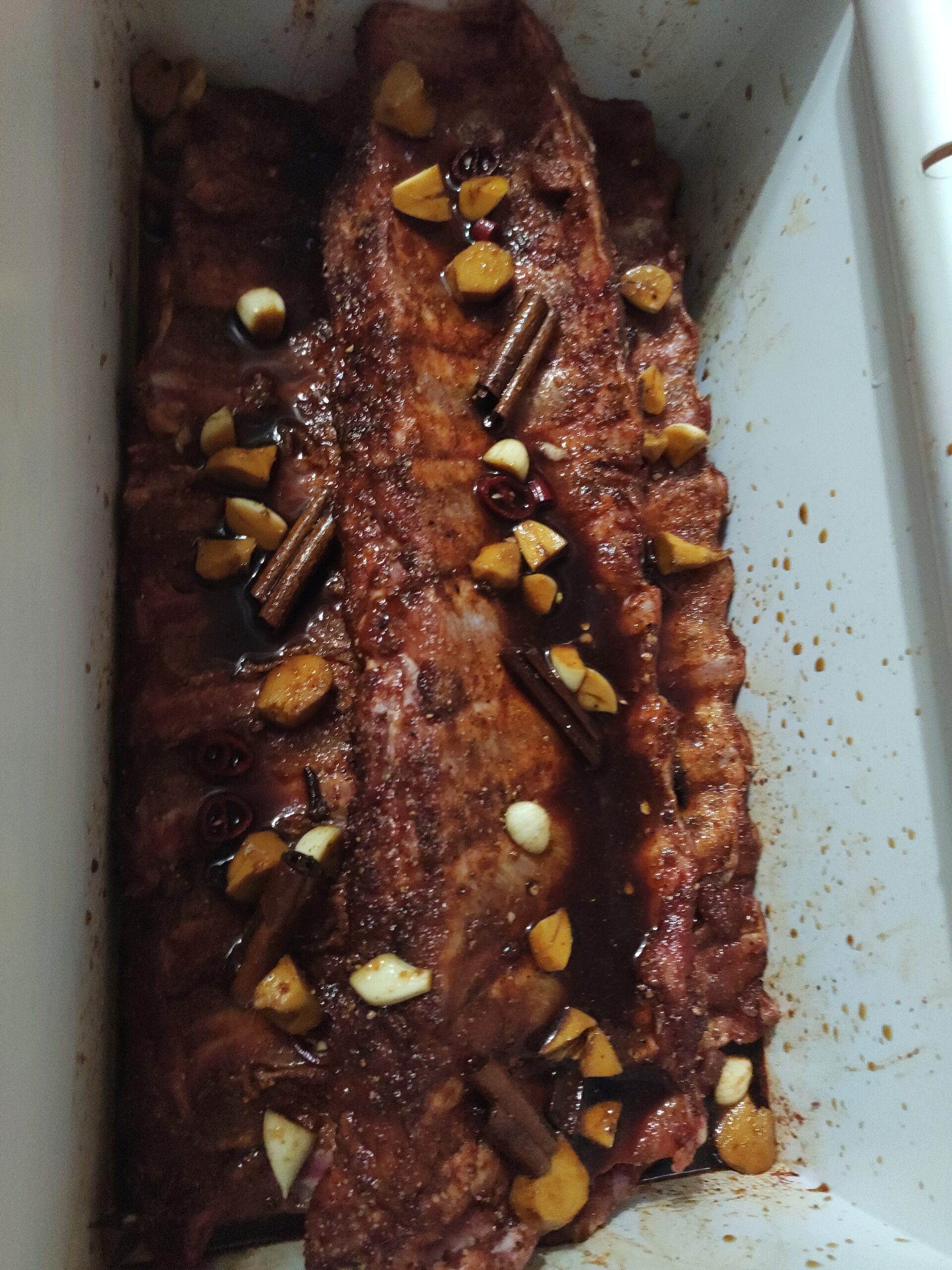
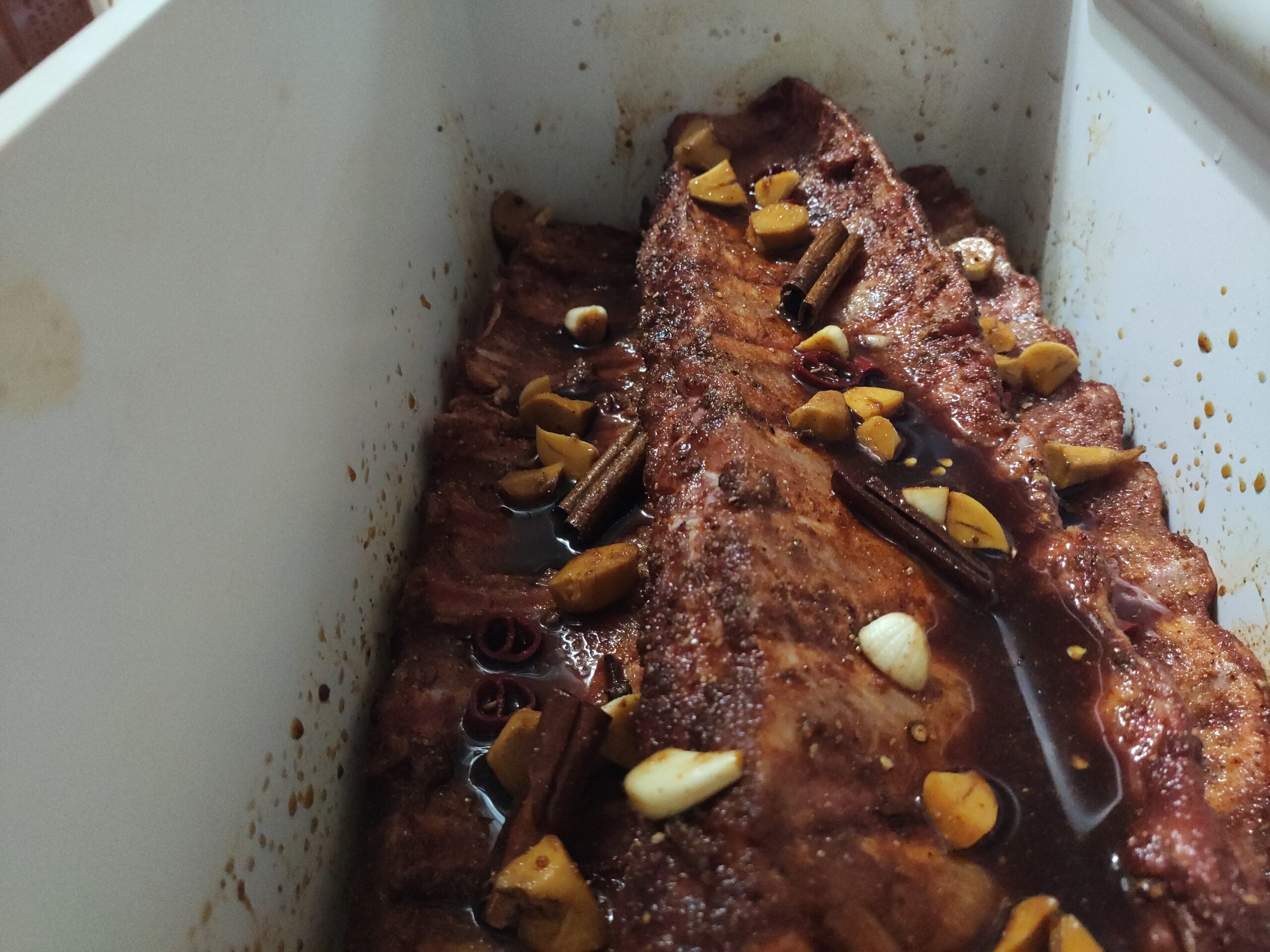
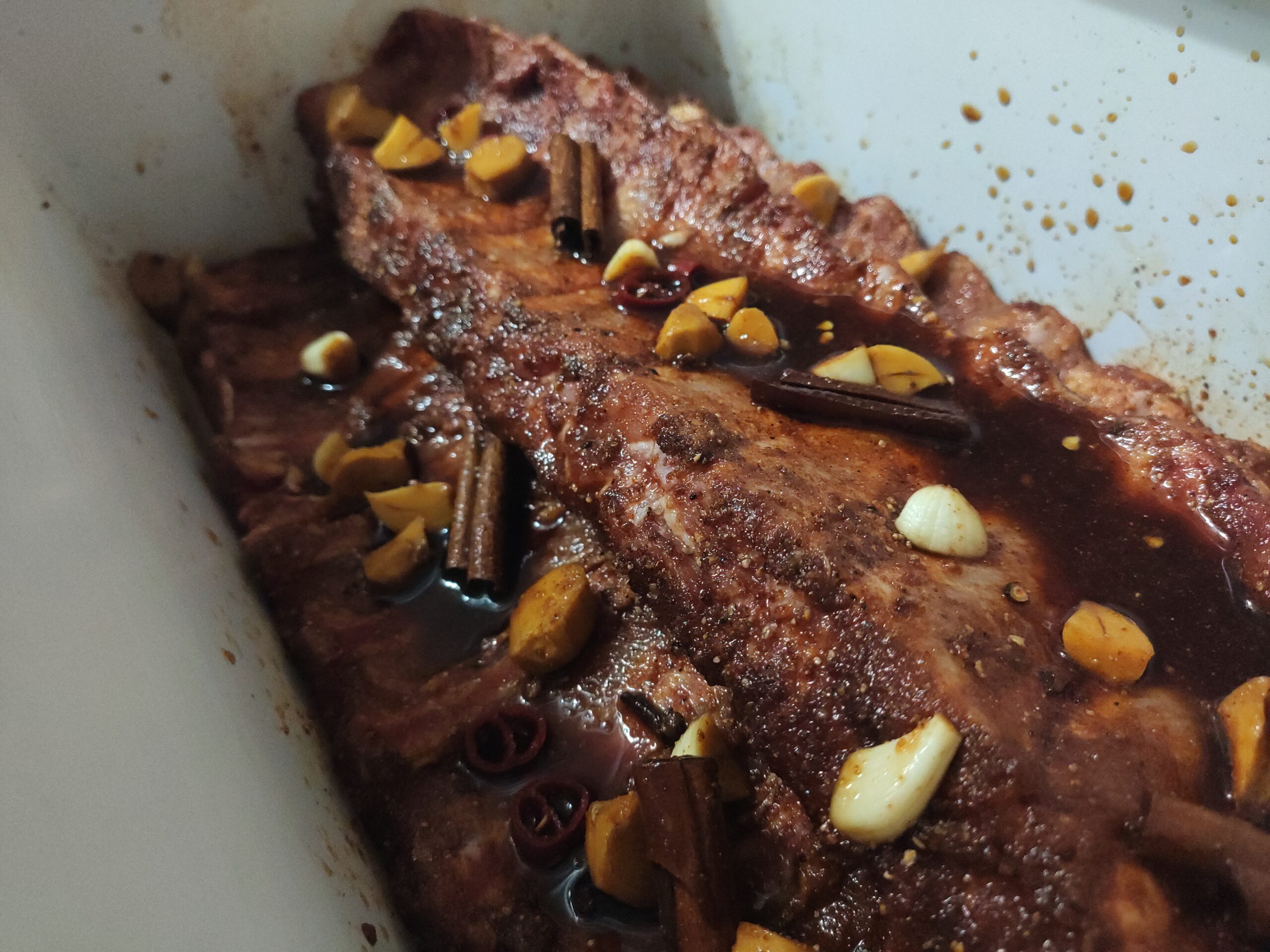
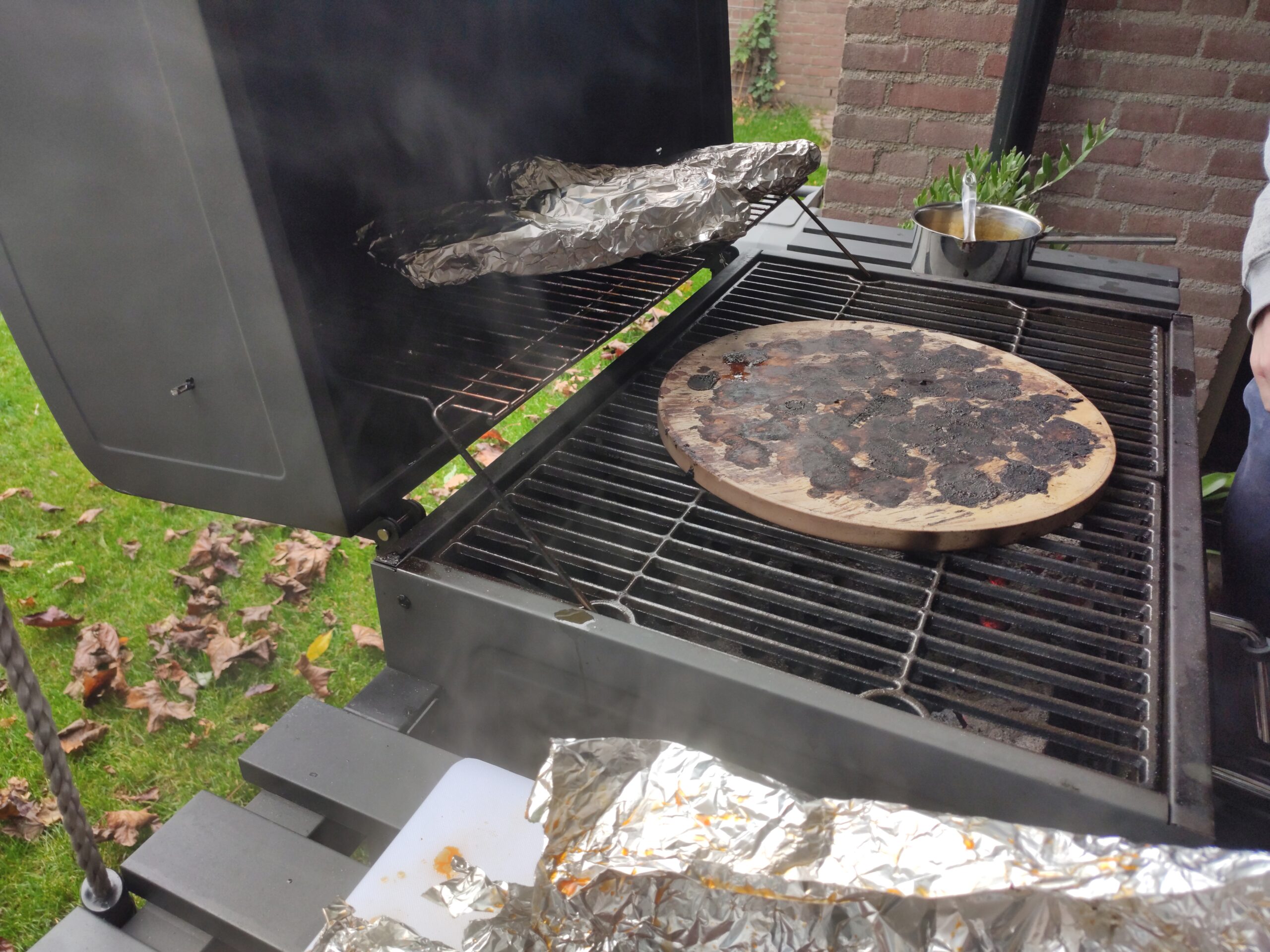
The next day, the marinade has already soaked well into the meat. It is a good idea to move the ribs through the marinade one more time, just to make sure parts that were not fully submerged also absorb enough flavor. Now it is time to put the ribs on the barbecue. Gijs cooks the spareribs over indirect heat between 105 and 120°C. To prevent burning, he places a pizza stone between the coals and the meat. That stone needs time to heat up, so put it in while lighting the barbecue.
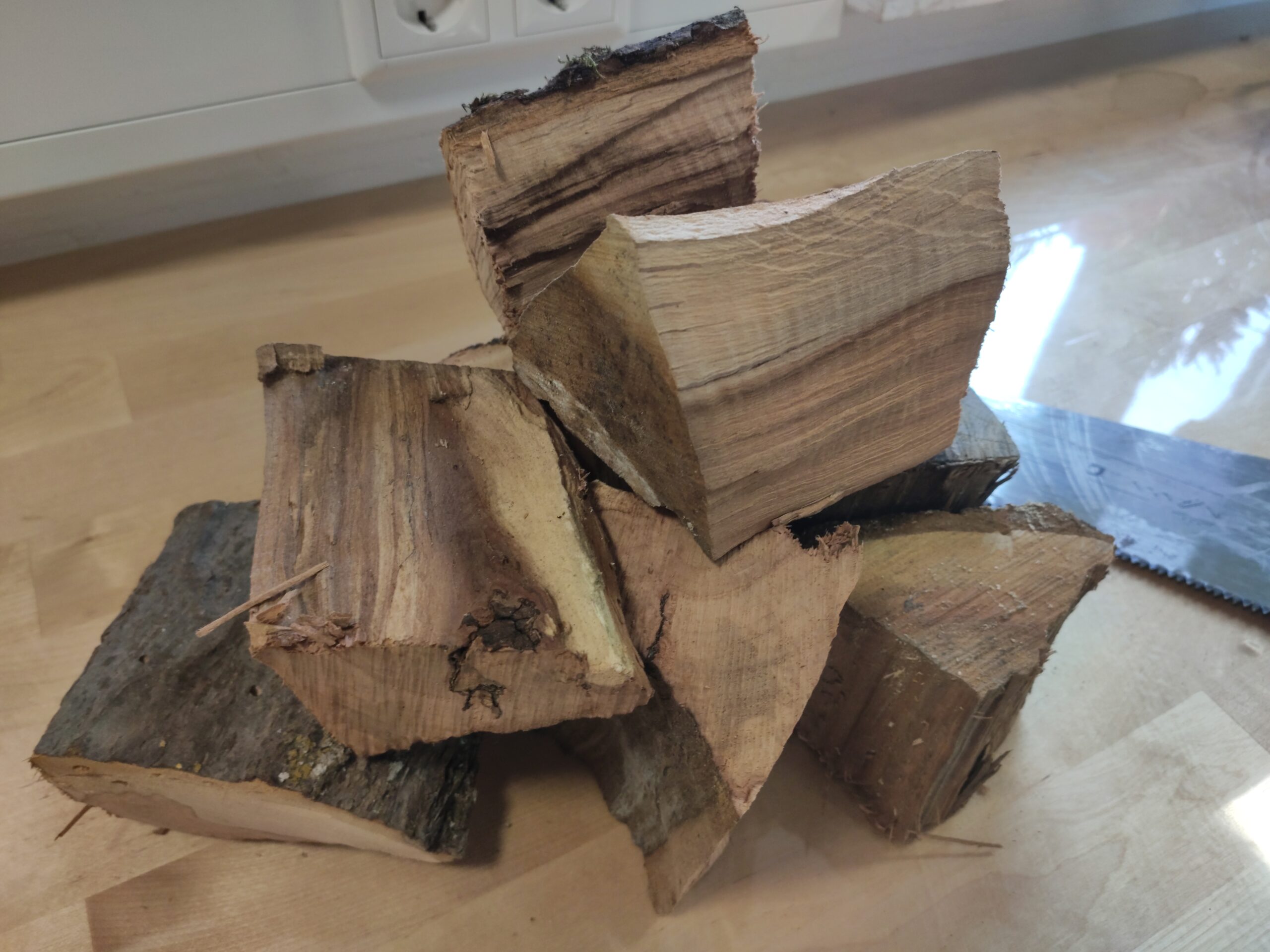
To keep the barbecue at temperature for a long time, Gijs again uses briquettes in a snake setup. Once the barbecue is at temperature, the ribs go on. At the same time, Gijs places a chunk of smoking wood on the coals. For smoking wood, Gijs got beautiful pear wood from G.J. Jolink in Drempt. Pear wood is very similar to apple wood, with a mild, sweet smoke flavor. If you want to cook many ribs, you can use a rib rack so the ribs stand on their sides and more ribs fit in the barbecue.
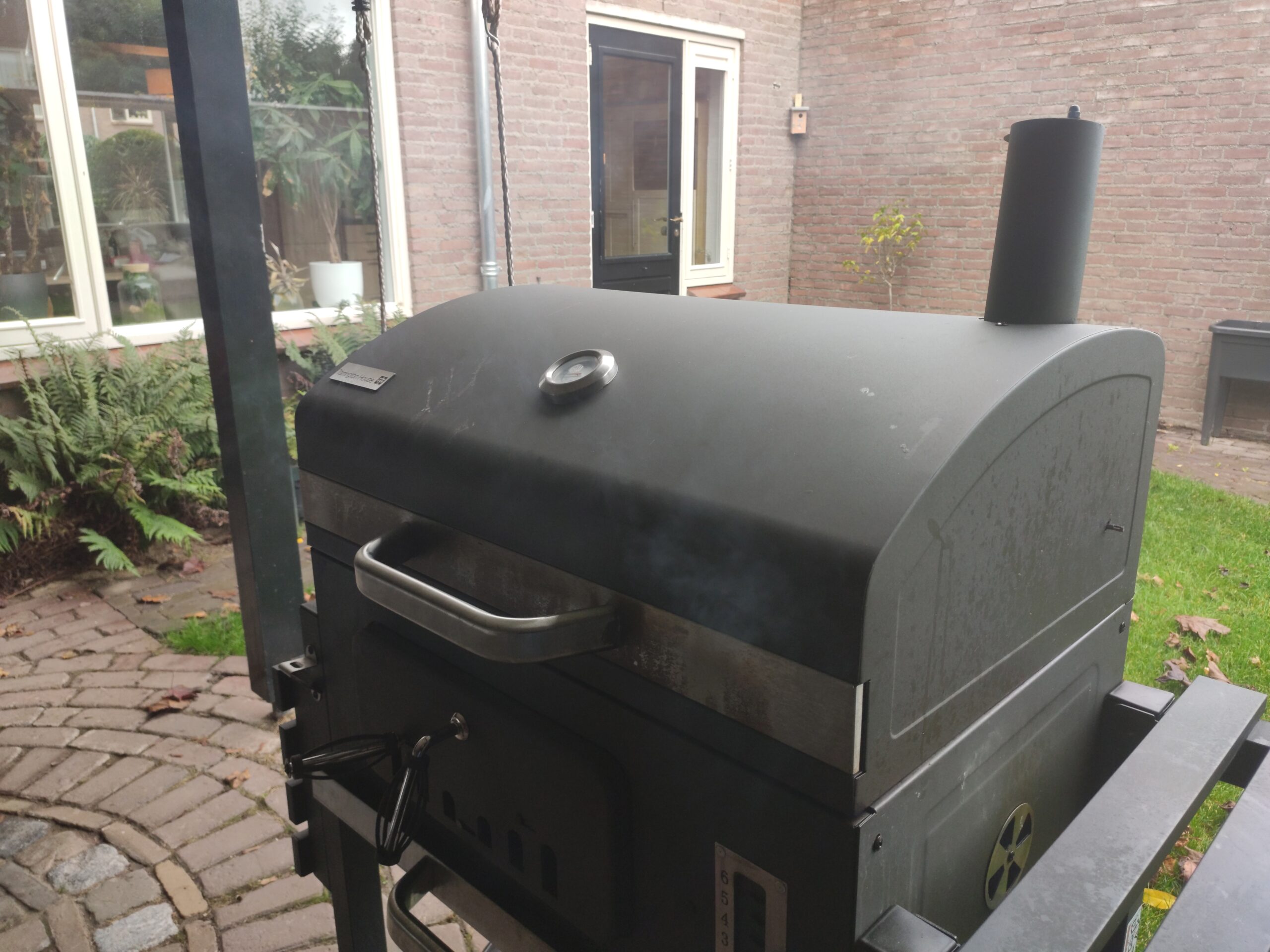
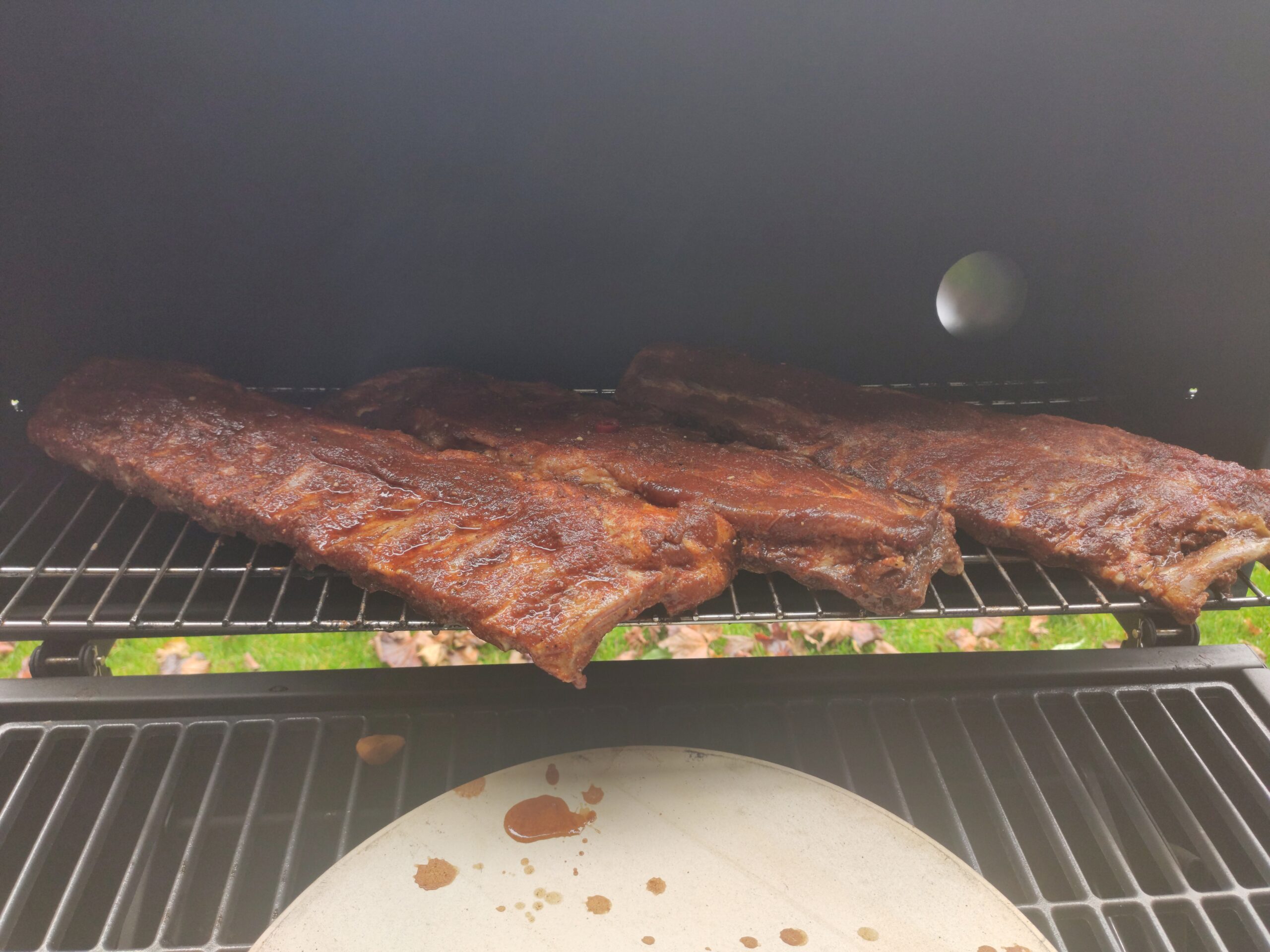
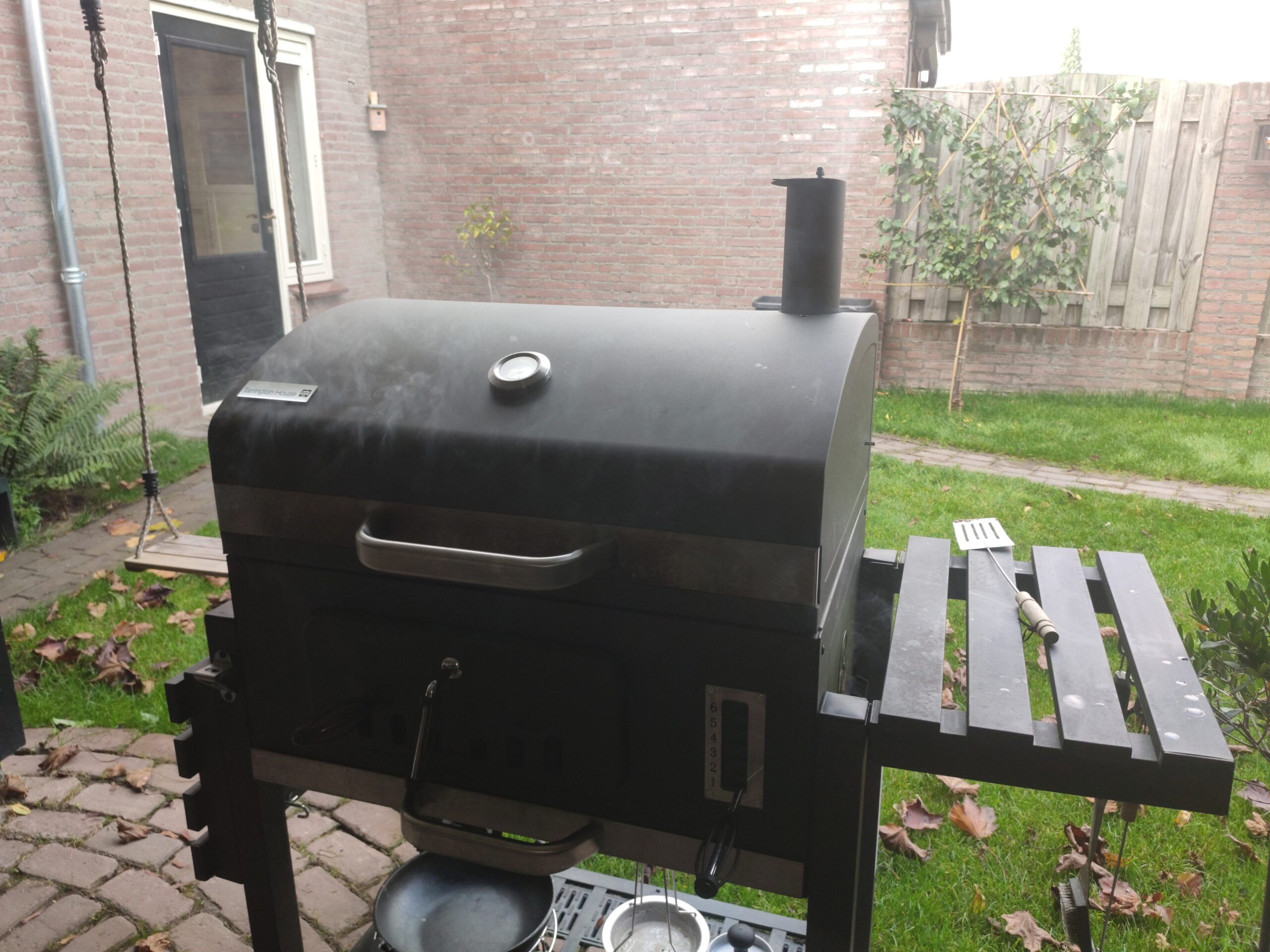
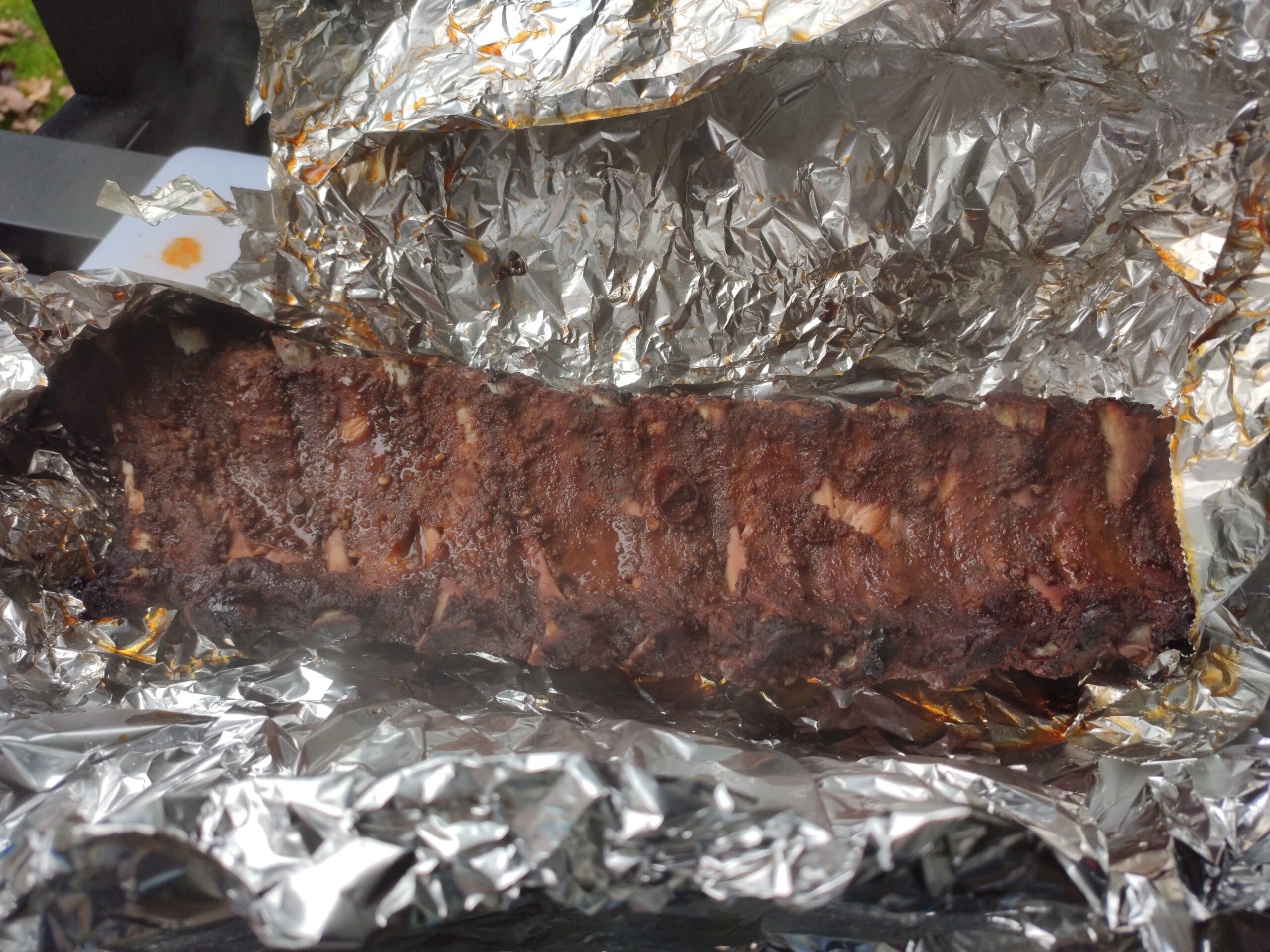
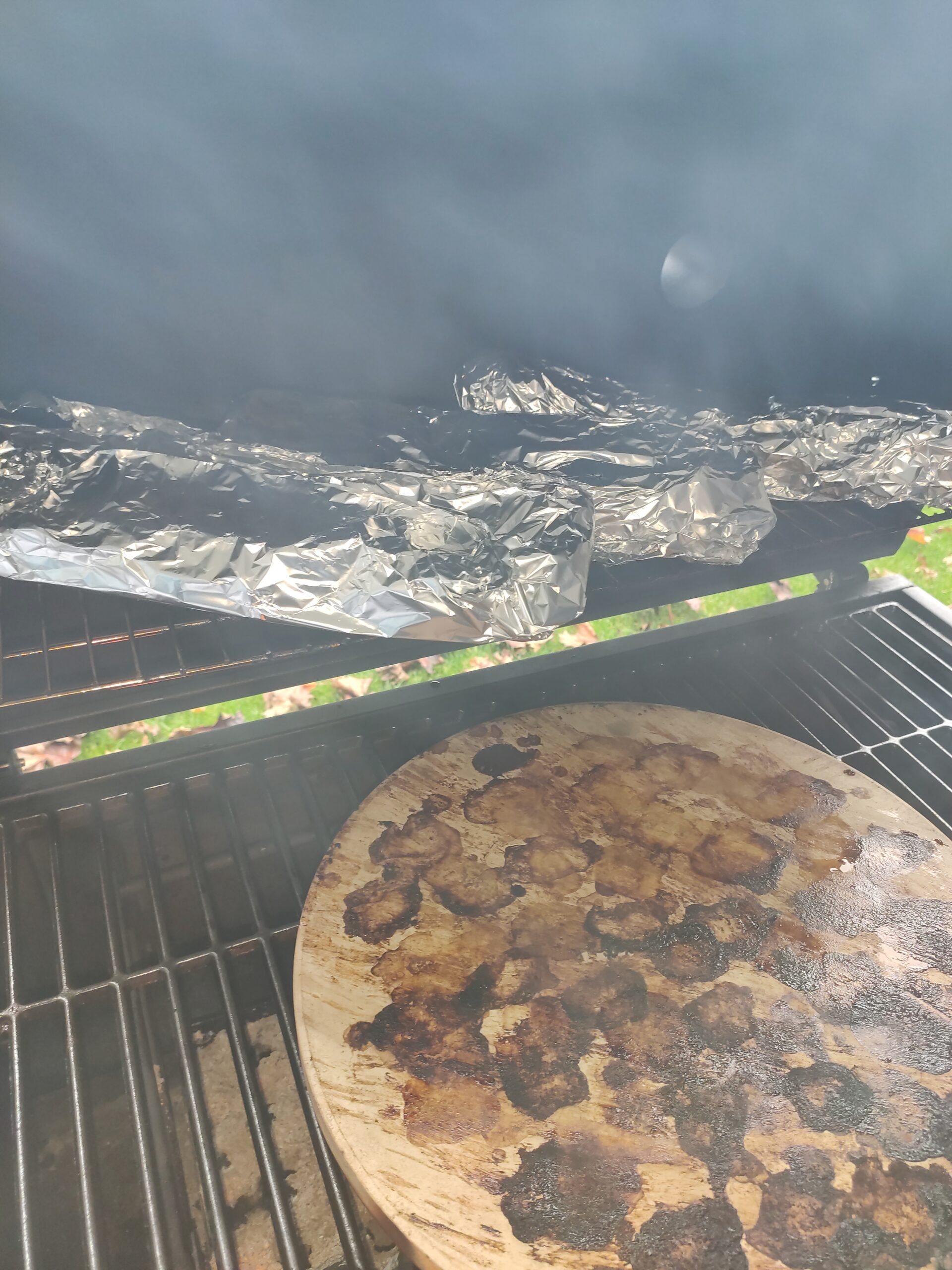
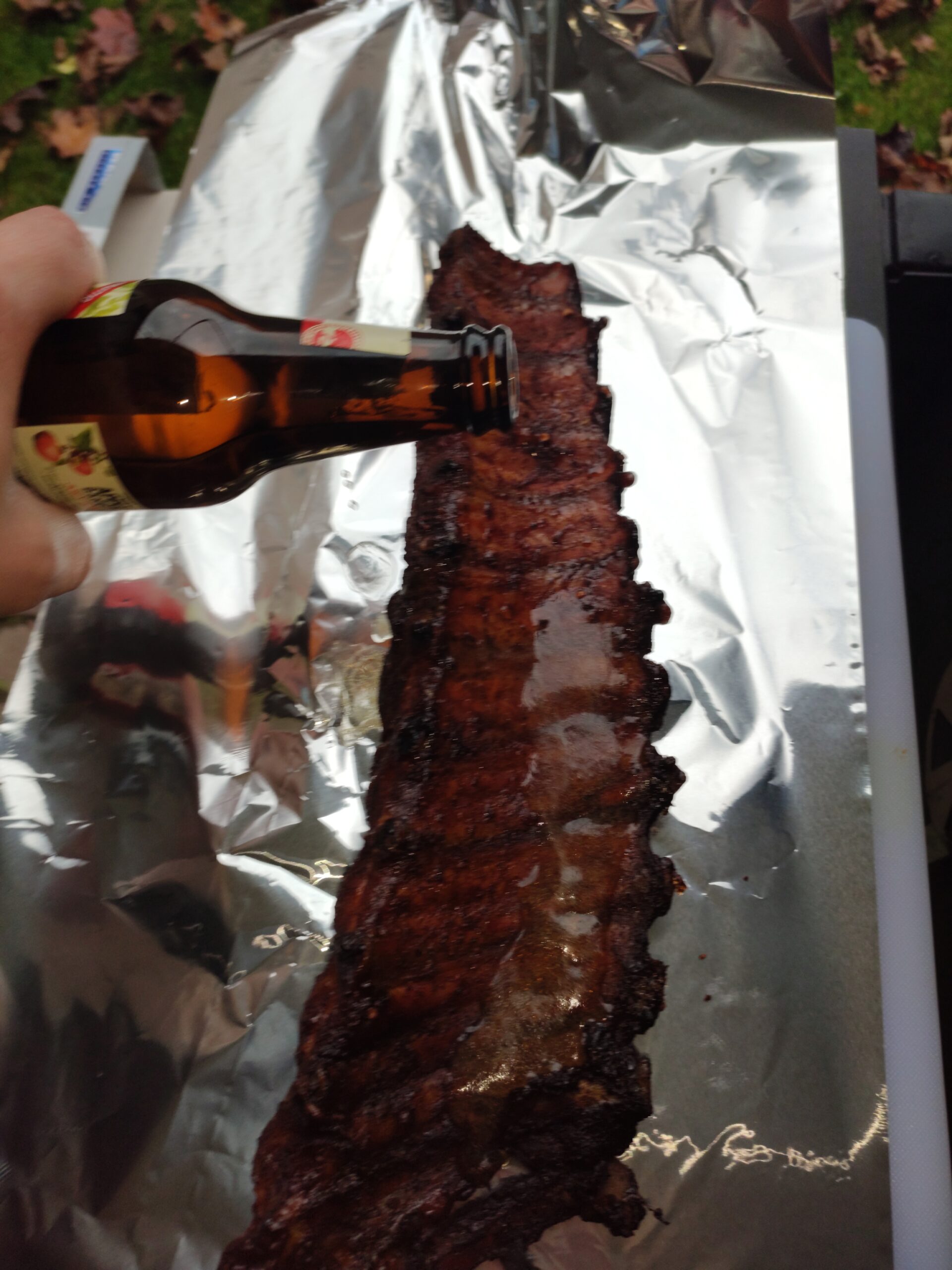
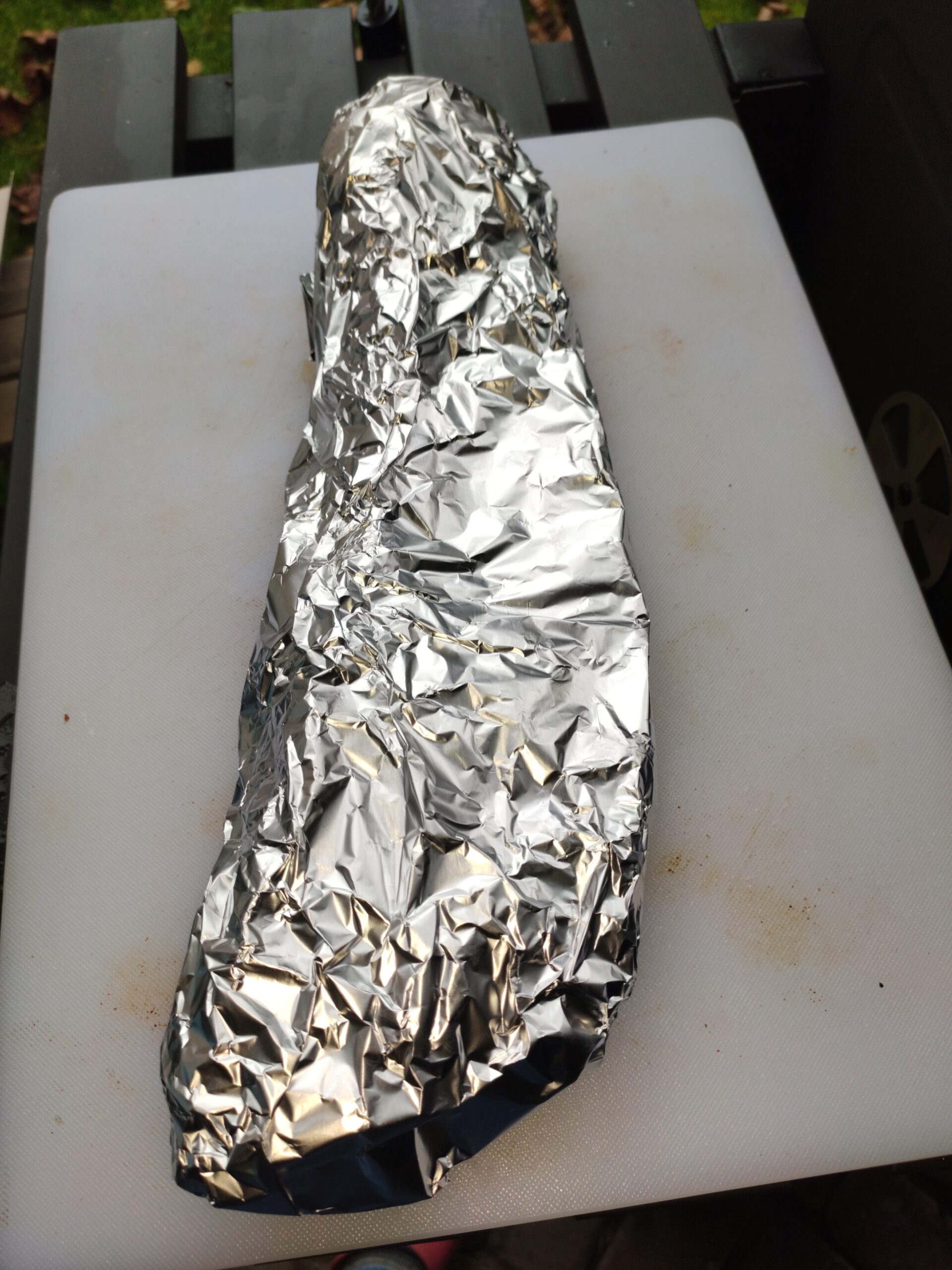
For phase one of the 3-2-1 method, Gijs let the meat cook for 1.5 to 2 hours. For phase two, the meat is wrapped in aluminum foil to prevent drying out. While wrapping, Gijs pours a splash of apple cider over the ribs. Because the cider is trapped in the foil with the meat, the ribs are basically steamed in cider. This gives them a delicious fruity flavor. If you prefer no alcohol, apple juice also works.
Once wrapped, Gijs puts the ribs back on the barbecue and lets them cook for about another hour. Do not add smoking wood during this phase, because smoke will not pass through the foil anyway. That would just waste good wood.
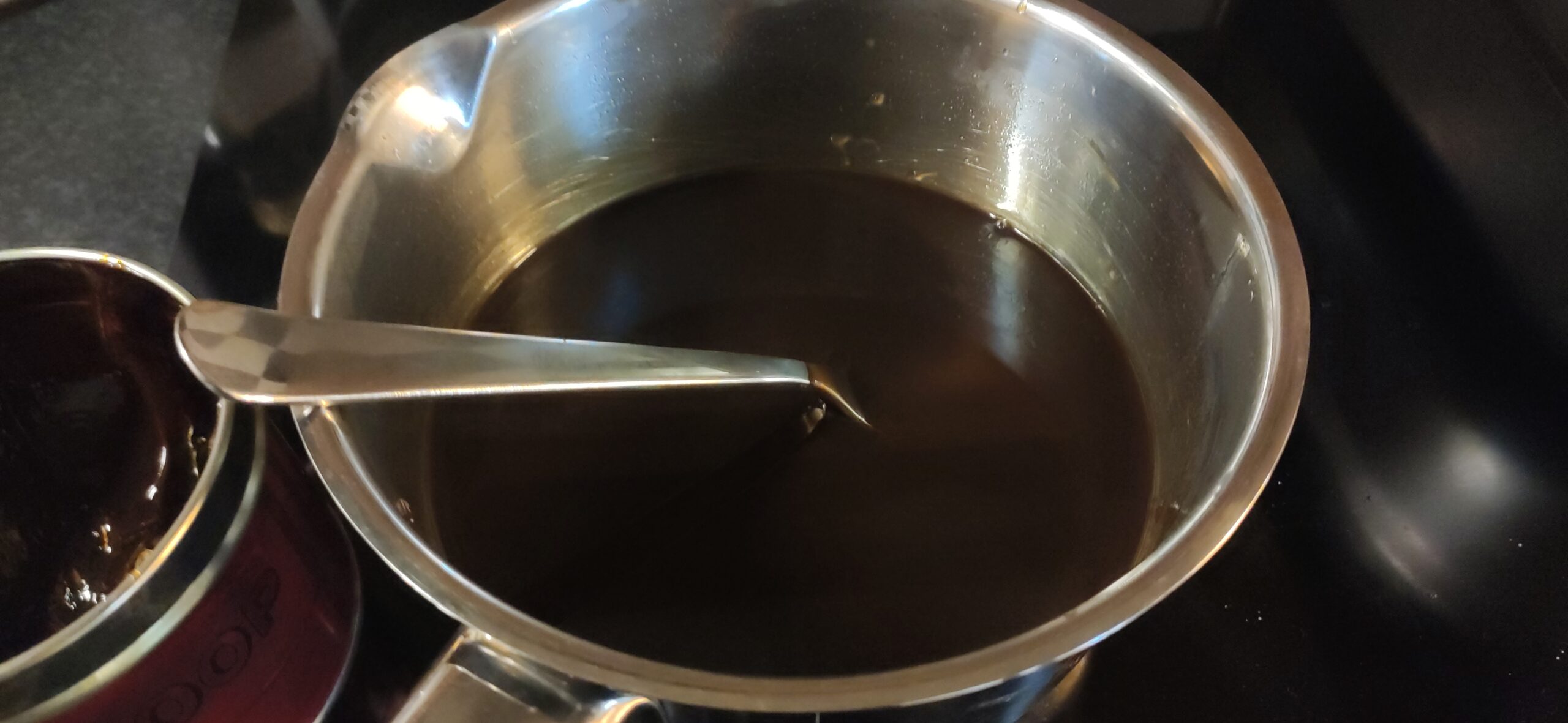
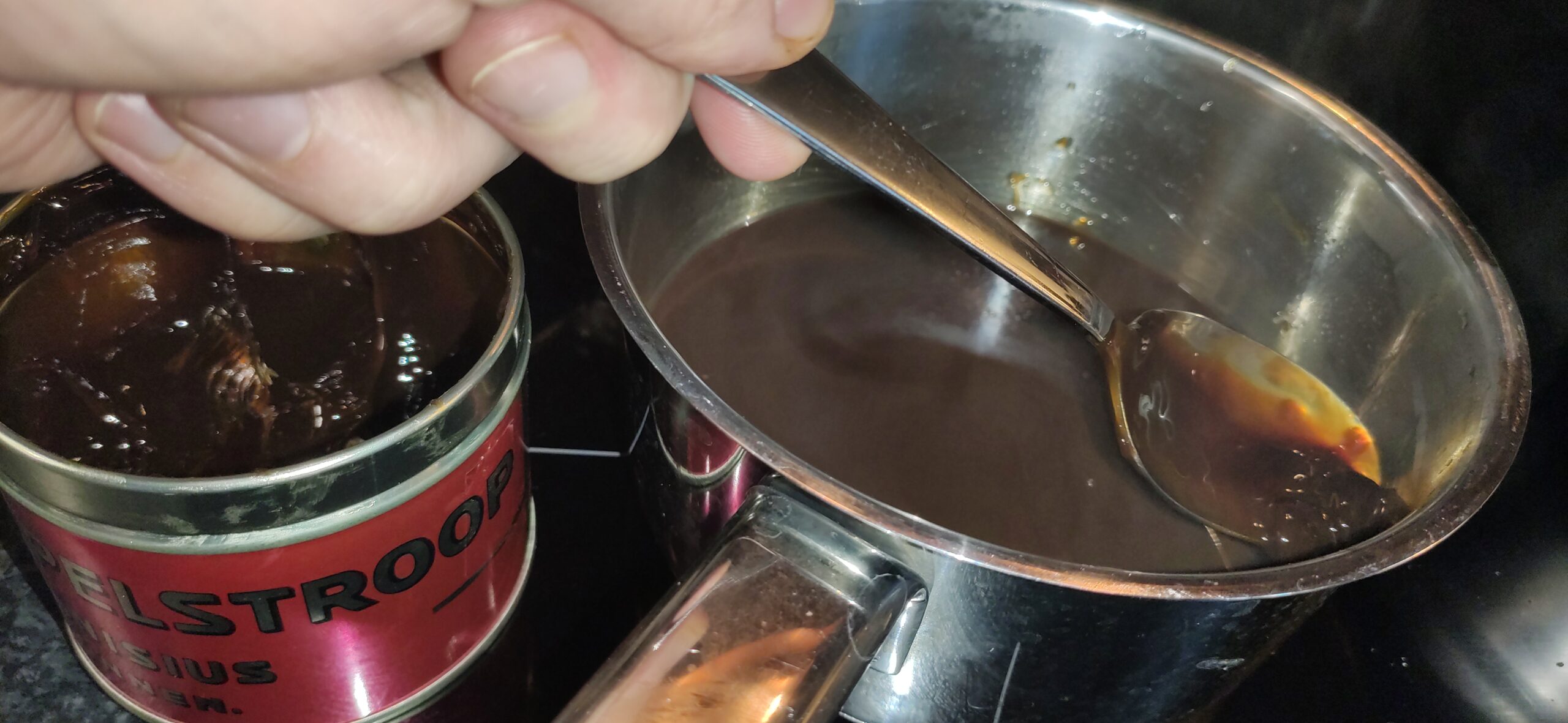
This hour is the perfect moment to make the mop sauce. Do it in time, because the sauce needs to cool down to thicken. For these ribs, Gijs uses a simple sauce based on soy sauce, ketjap manis, and apple syrup. In a saucepan, mix 100 ml soy sauce, 150 ml ketjap manis, 4 big tablespoons apple syrup, 75 ml apple cider, and hot sauce to taste. Bring it to a boil while stirring until smooth. Once the sauce starts boiling, Gijs turns off the heat and lets it cool down and thicken.
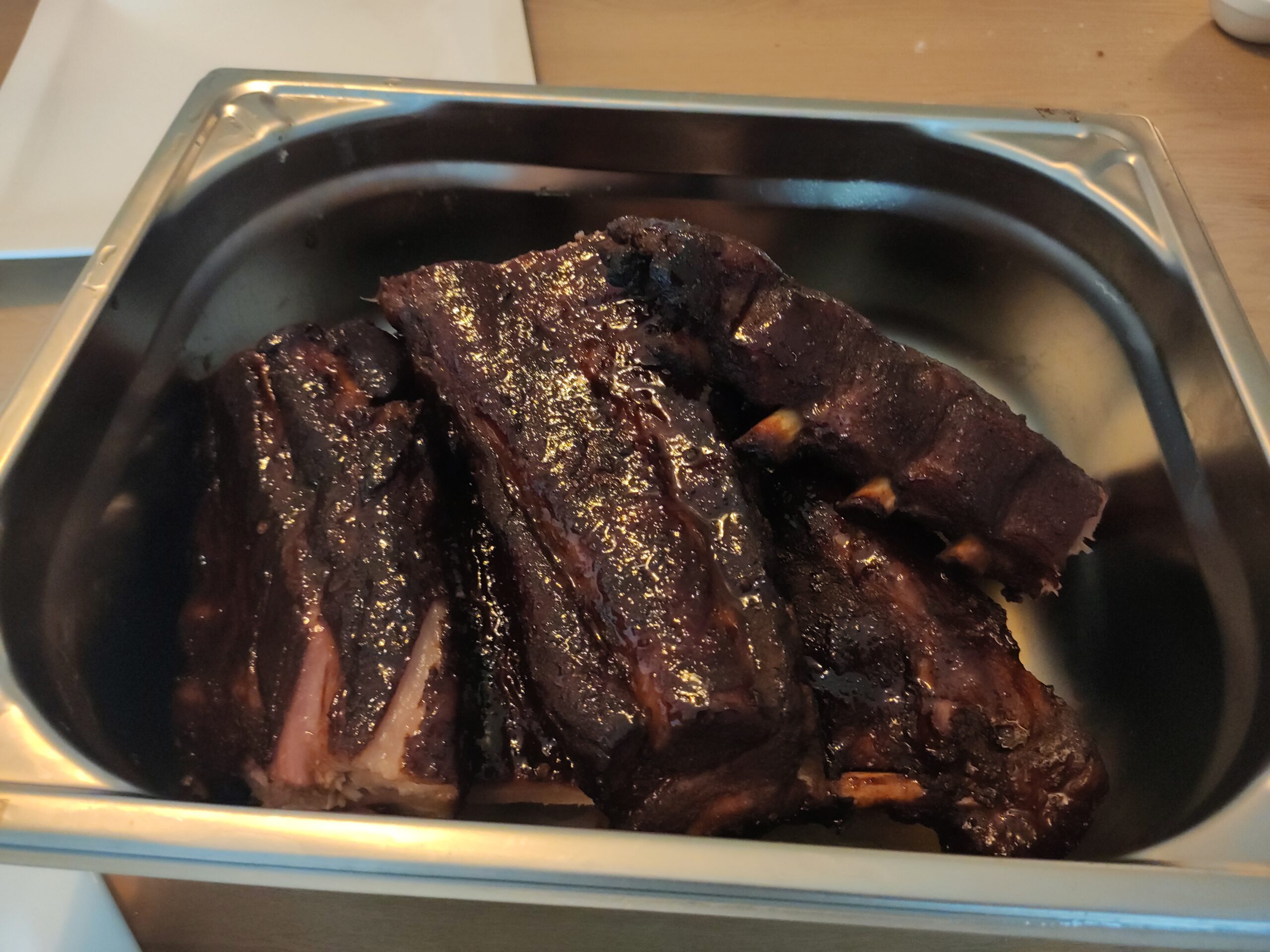
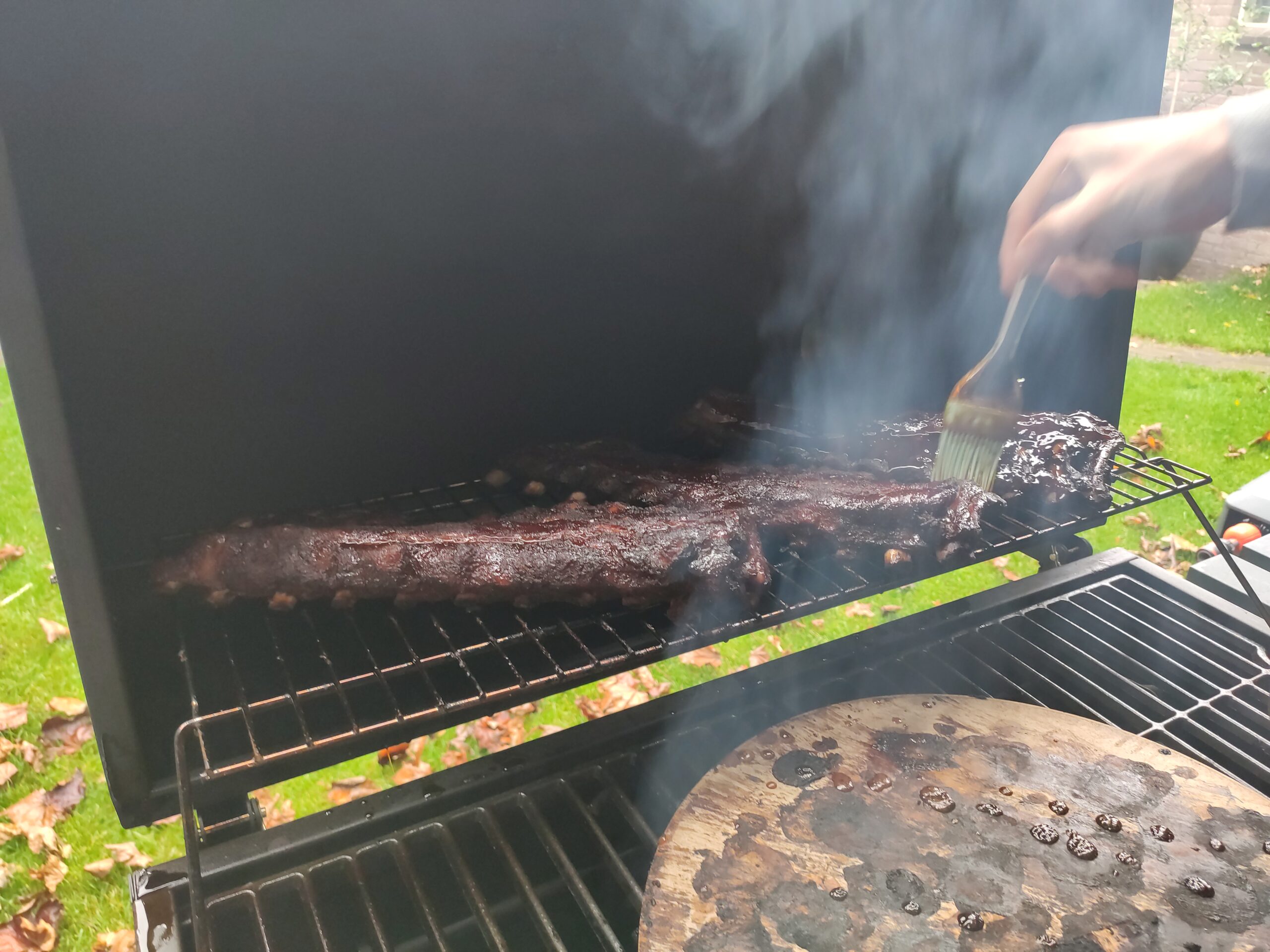
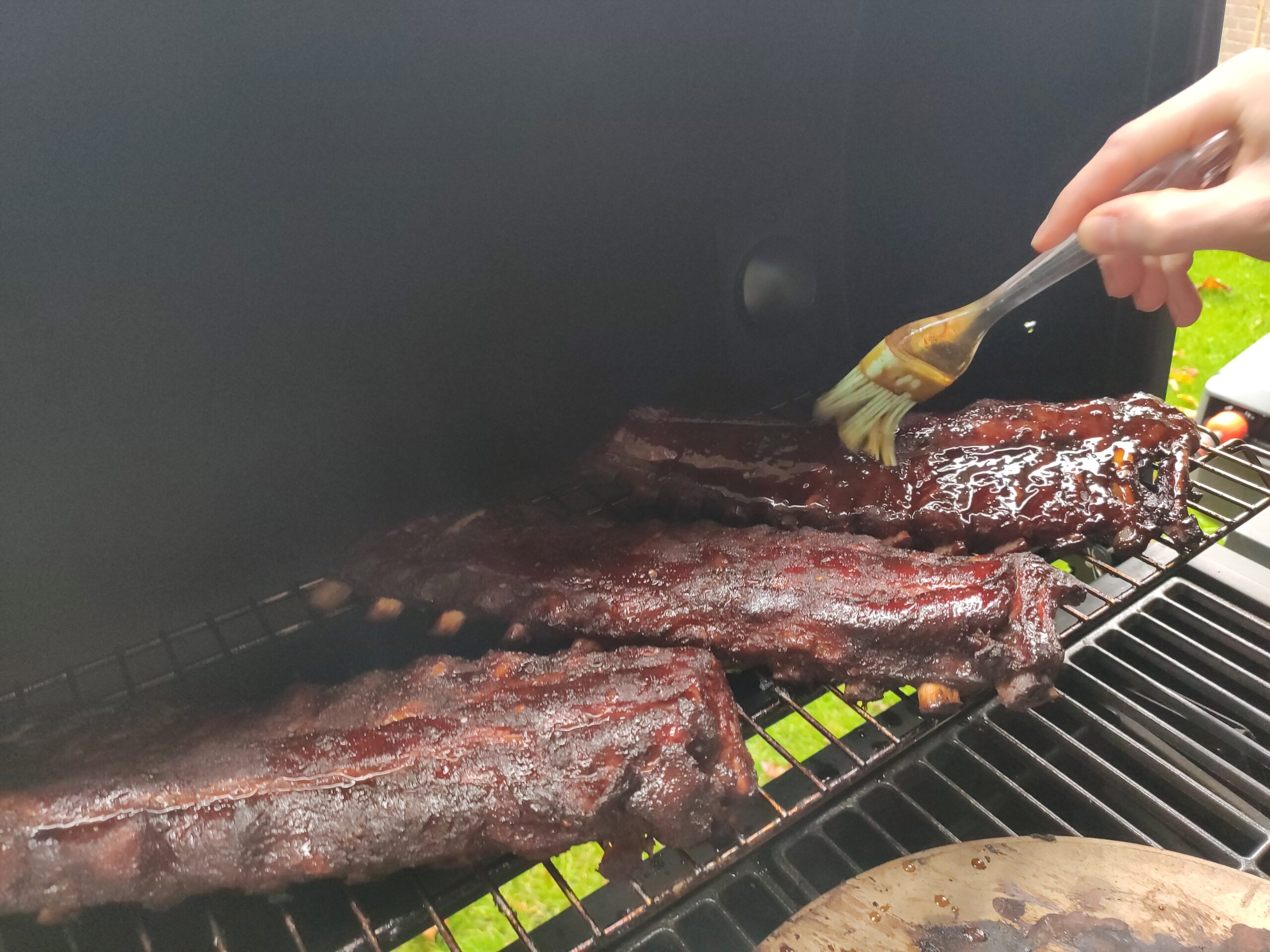
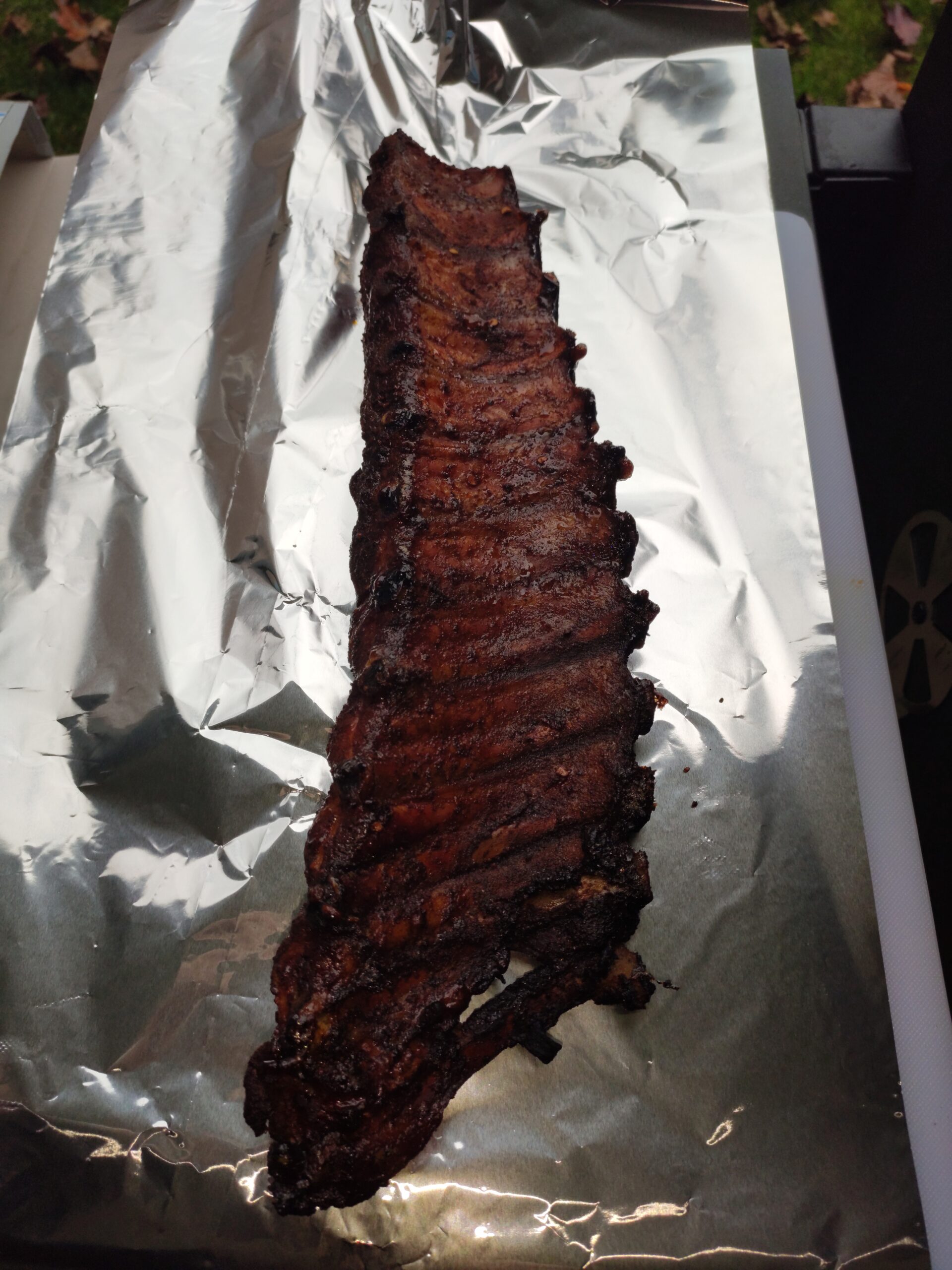
After an hour of steaming, Gijs takes the ribs out of the foil, and the smell is phenomenal. Now the final phase begins: place the ribs back on the barbecue without foil for another 30 to 45 minutes and brush them with the mop sauce.
Gijs prefers applying a thin layer of sauce and then adding several more thin layers during this phase. That gives a better result than applying one thick layer all at once. Because the barbecue lid opens more often during this stage, adding a bit more fuel is fine. Larger barbecues especially need time to recover temperature after the lid is opened.
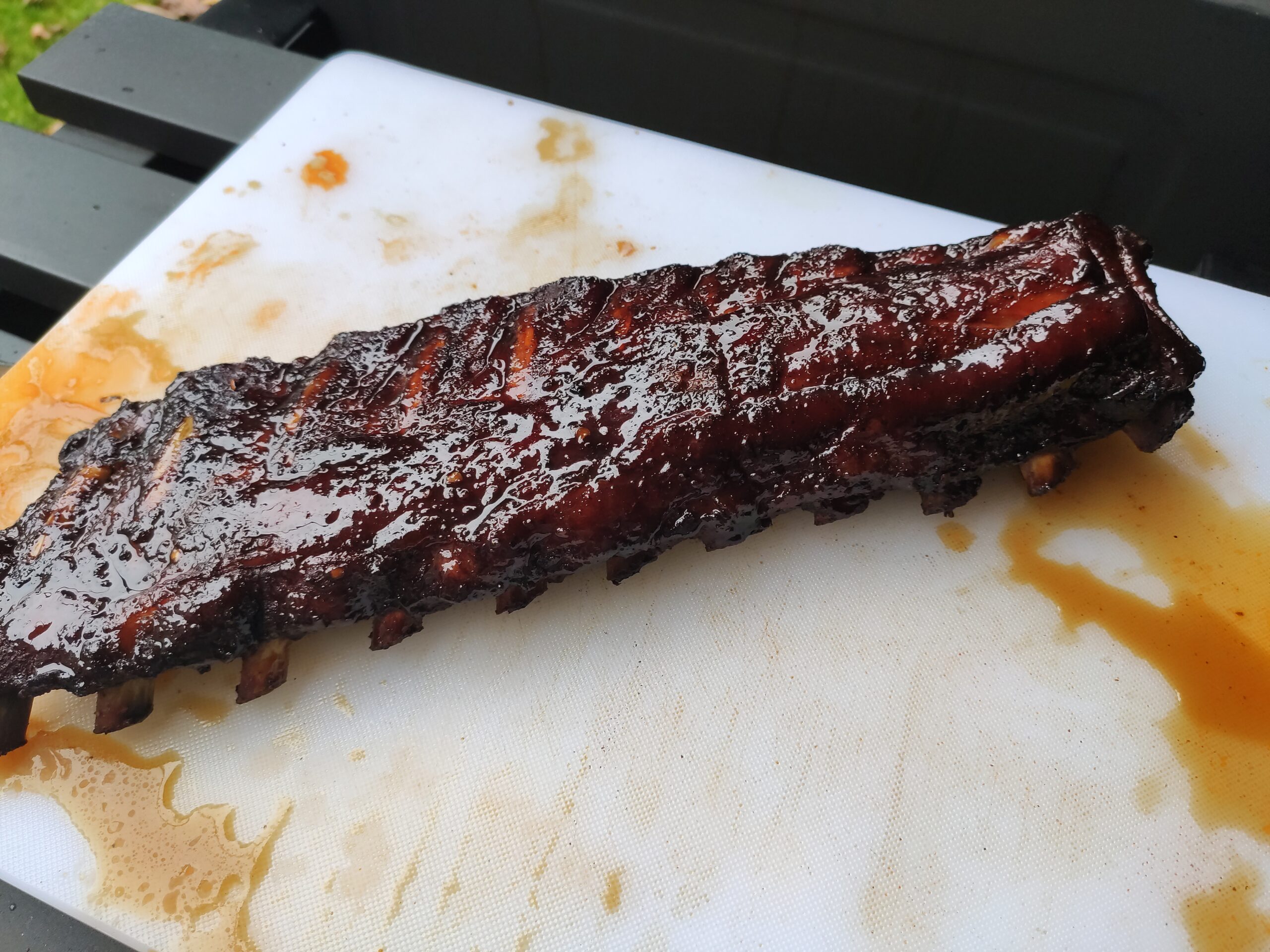
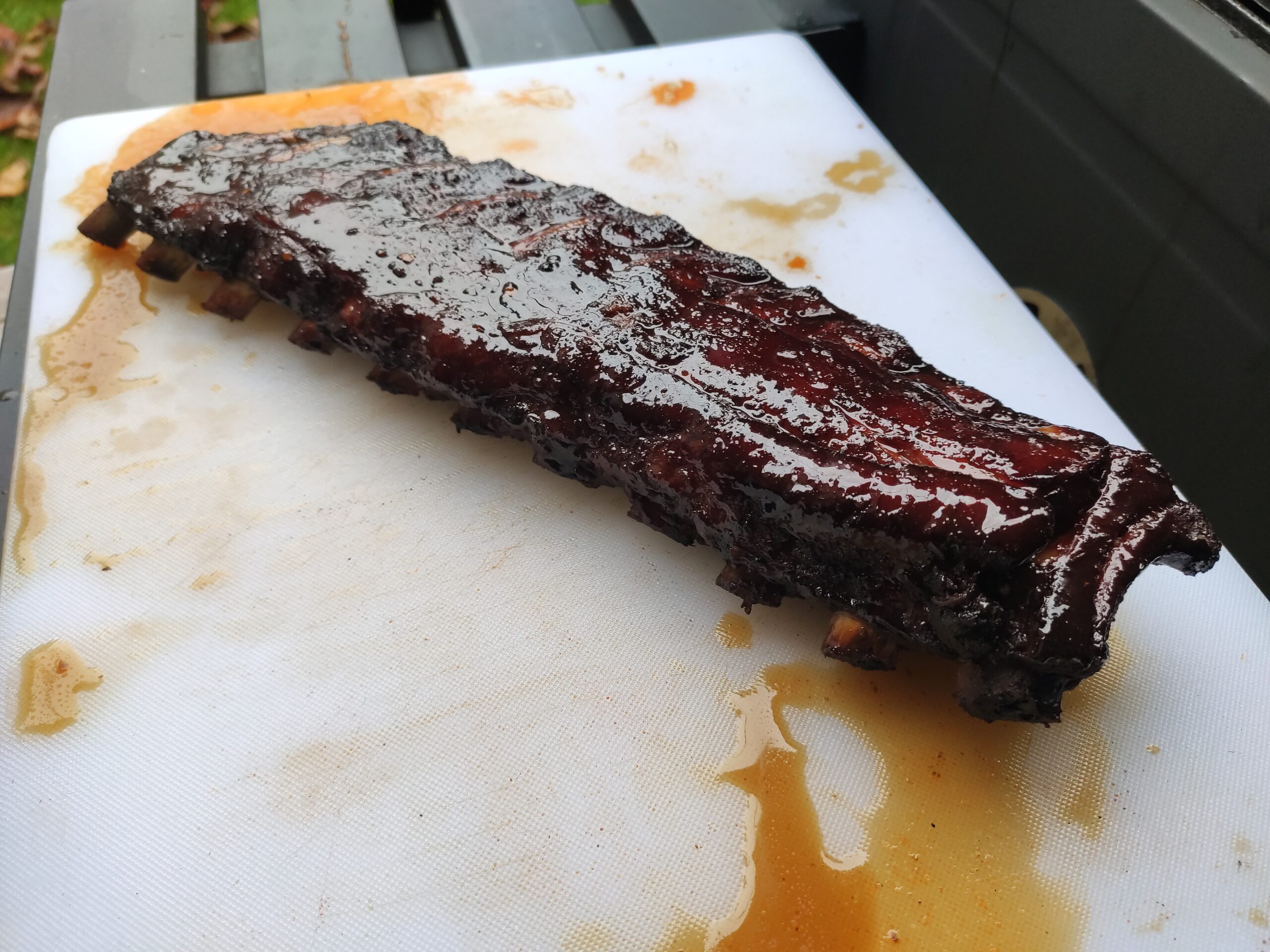
Once Gijs is happy with the ribs after 30 to 45 minutes, it is time to dig in. Gijs recommends everyone trying this recipe at home at least once. It takes some time, but it is absolutely worth it.