Barbecue
In Gijs Great Meat Makeover, Gijs mainly uses his barbecue to make great food. A good barbecue is nice to have, but not everyone wants to spend 600 to 1200 euros on one, and honestly, you do not have to. Sure, an expensive barbecue can make things easier, so if you grill a lot and have the budget, Gijs definitely recommends it. But in Gijs Great Meat Makeover, he wants to show that you can also make amazing dishes on a simple barbecue. The most important thing is that your barbecue has a lid.
Charcoal or Briquettes?
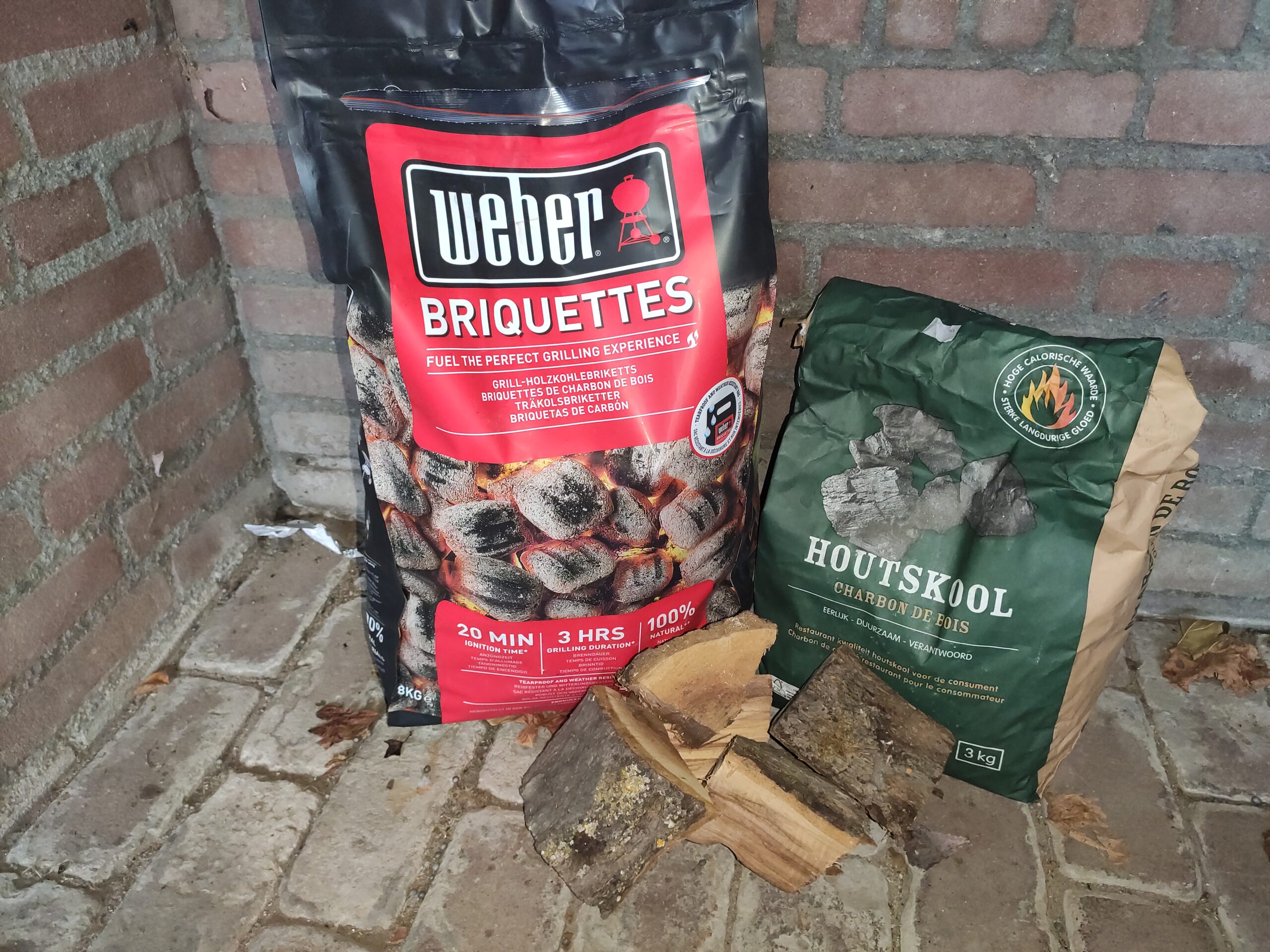
Gijs believes a real barbecue runs on charcoal or briquettes. Gas and electric barbecues are not really his thing. When using a charcoal barbecue, the classic question always comes up: “Do I use charcoal or briquettes?”
Both fuels come from the same source. Charcoal is partially burned wood that burns more steadily than regular wood. By limiting oxygen during the burn process, only the more volatile and less predictable elements are burned off. What remains are dry carbon pieces that burn very steadily. Briquettes are basically ground and compressed charcoal: same material, just much denser. Both have pros and cons. Charcoal burns a bit hotter than briquettes, but it burns out faster. Briquettes burn a little cooler, but more consistently.
Everyone has their own preference, and Gijs is not going to pretend one is always better than the other. He personally prefers briquettes for low-and-slow barbecue because they burn longer. The temperature difference is minimal in this method, because the lid stays on. For direct grilling, he more often uses charcoal because it gets going a bit faster.
Lighting the Barbecue
Gijs has a fairly large barbecue that can sometimes be harder to control, so using a good lighting method is extra important for him. Simply filling a chimney starter with briquettes, lighting it, and dumping it in the barbecue gives you a very high starting temperature that then drops quickly. That can burn the outside of the meat while leaving the inside undercooked.
Snake Method
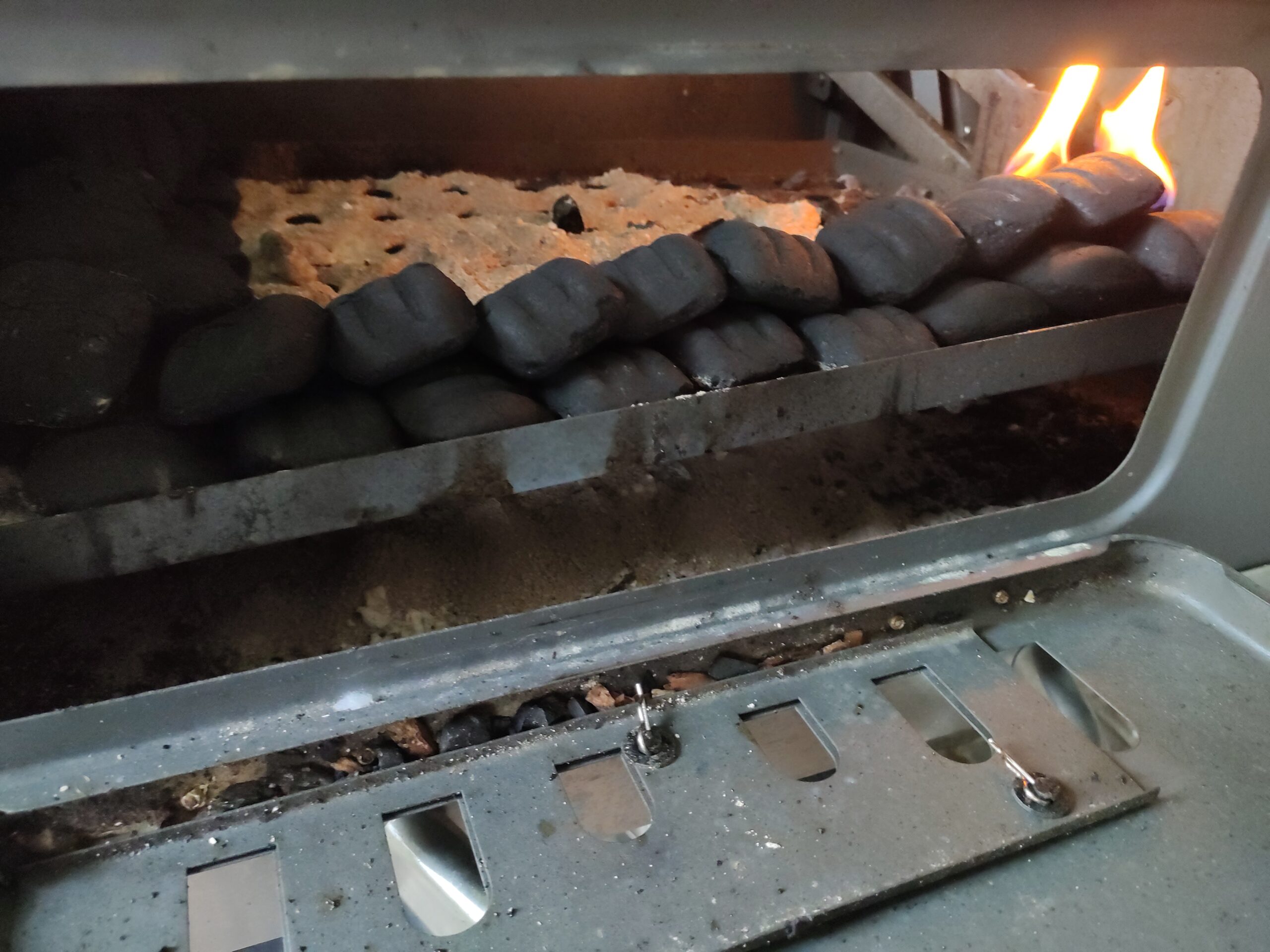
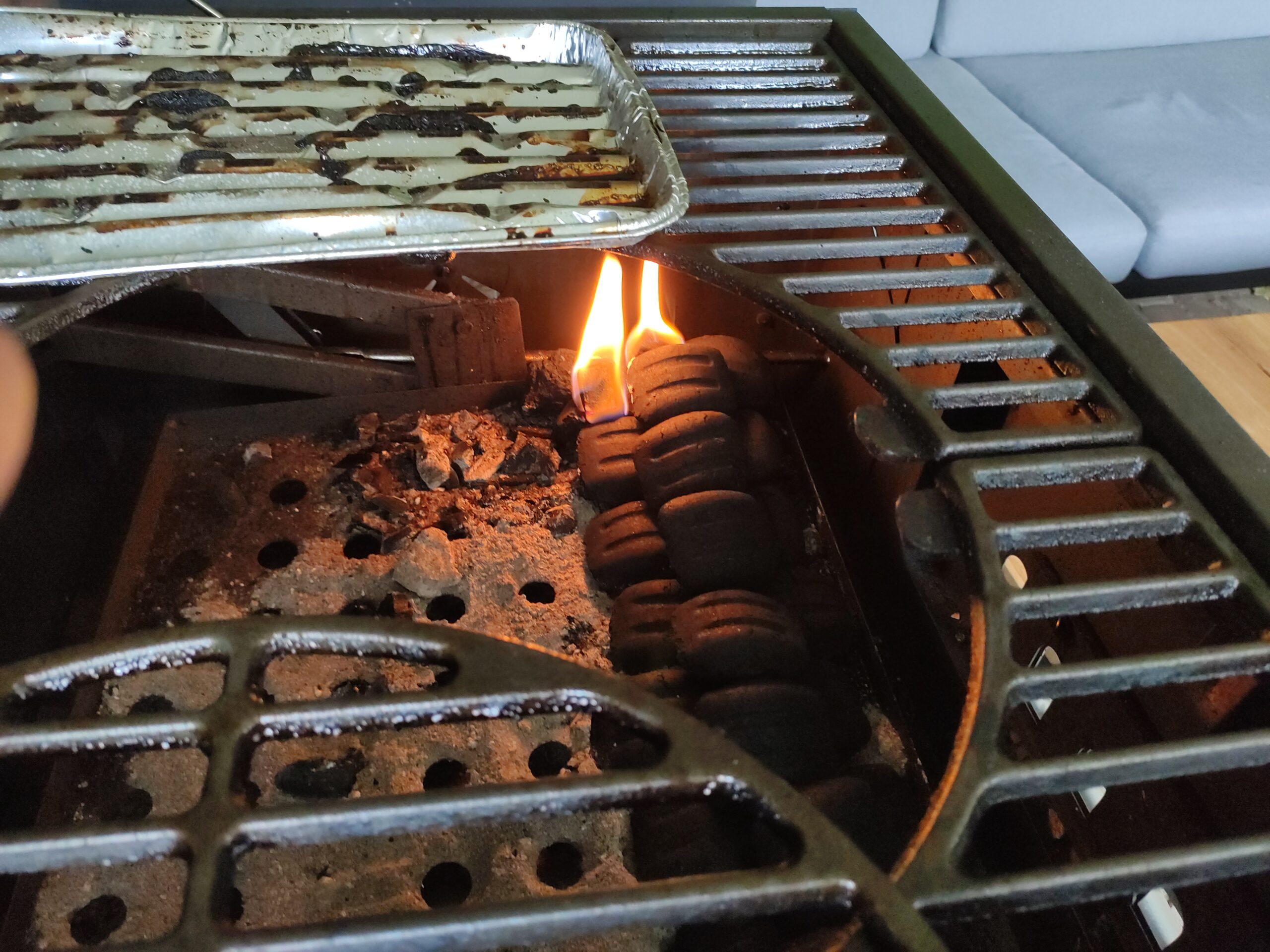
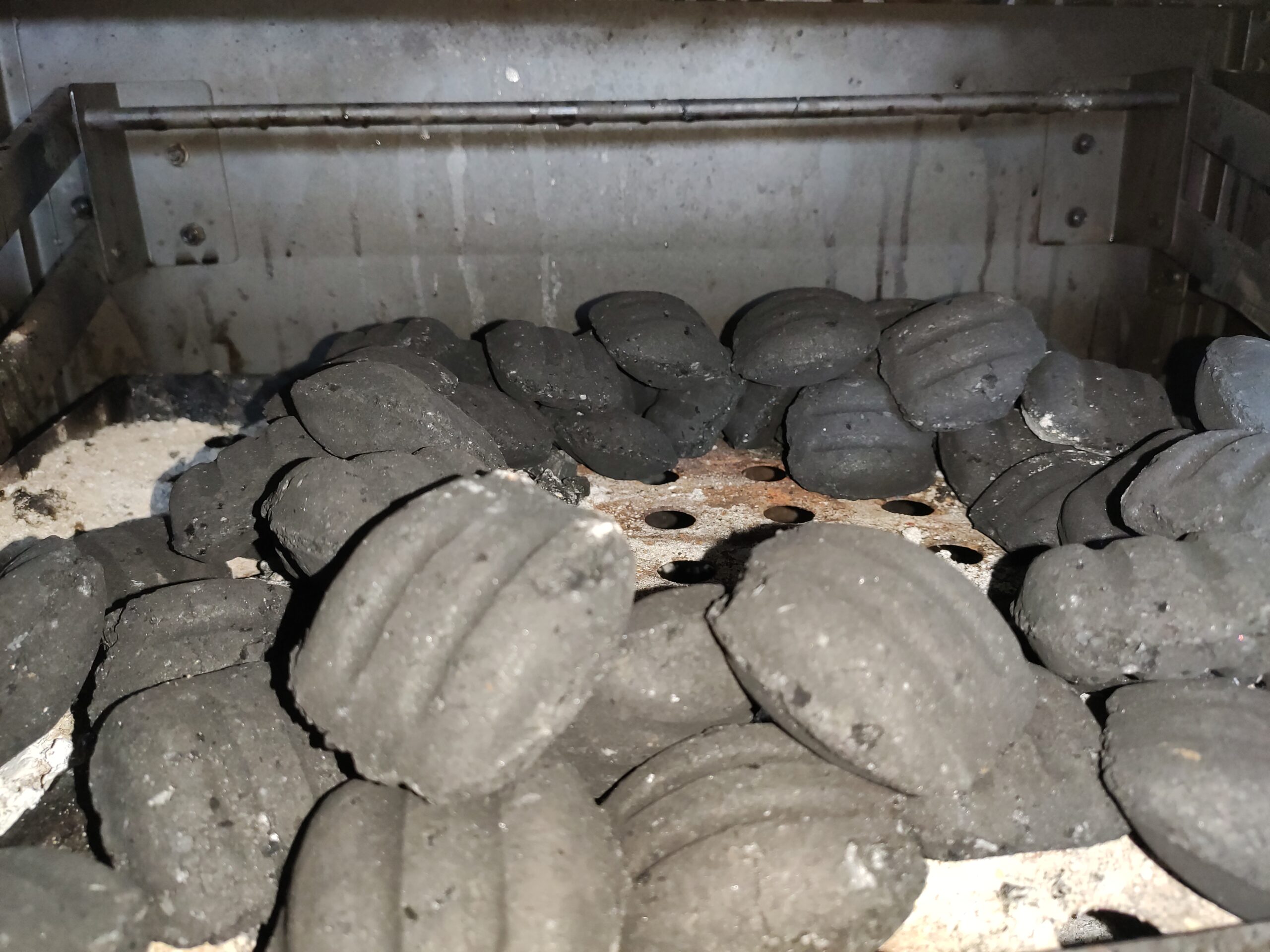
To keep his barbecue under control for a long time, Gijs uses the snake method for arranging briquettes.
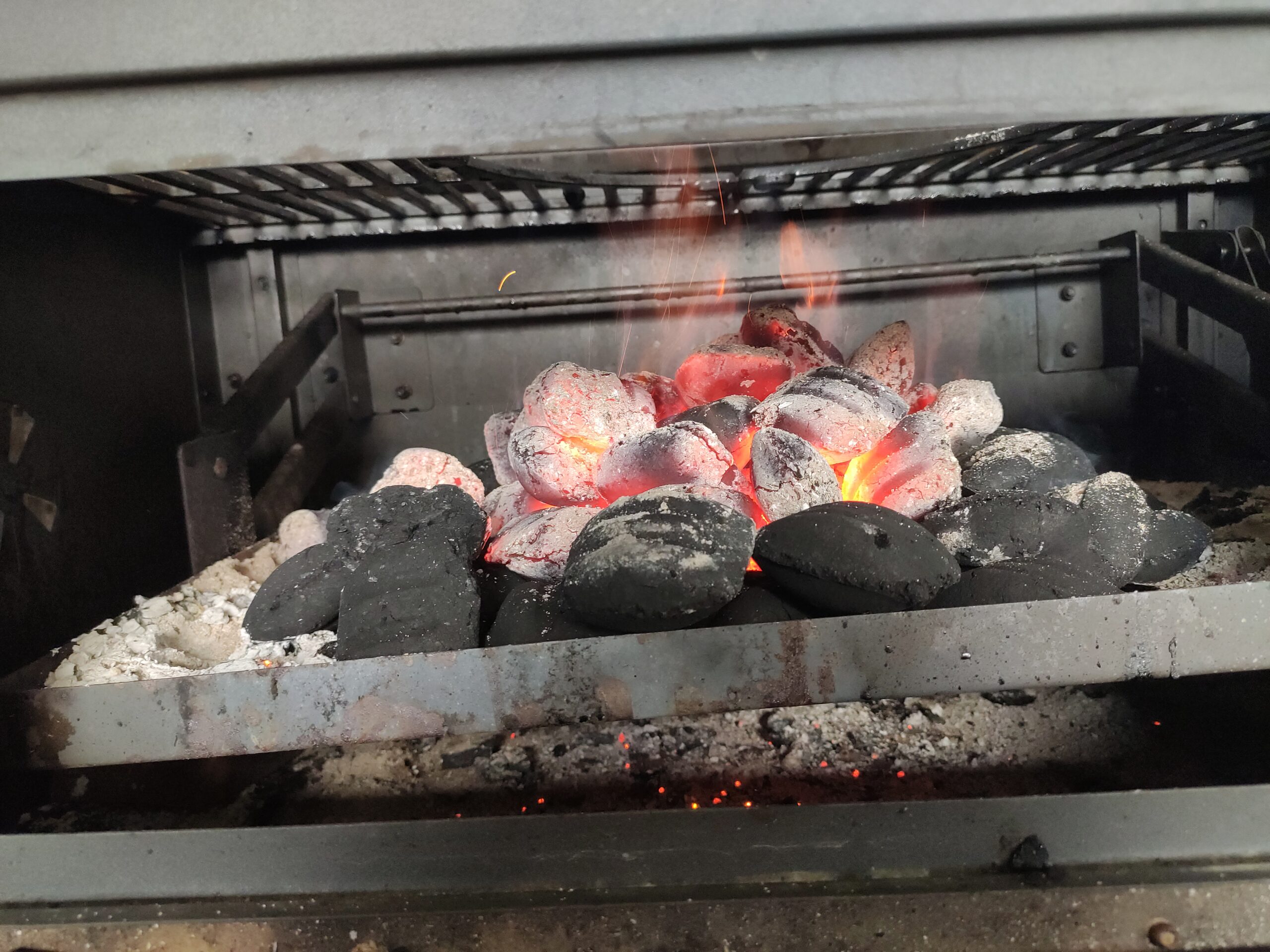
By creating a long, snake-like stack of briquettes and only lighting the ends, the fire slowly follows the trail. This keeps the barbecue from getting too hot and means Gijs barely has to add briquettes. If you have a smaller barbecue, it is usually smarter to light the snake on just one side, otherwise temperatures can rise too high.
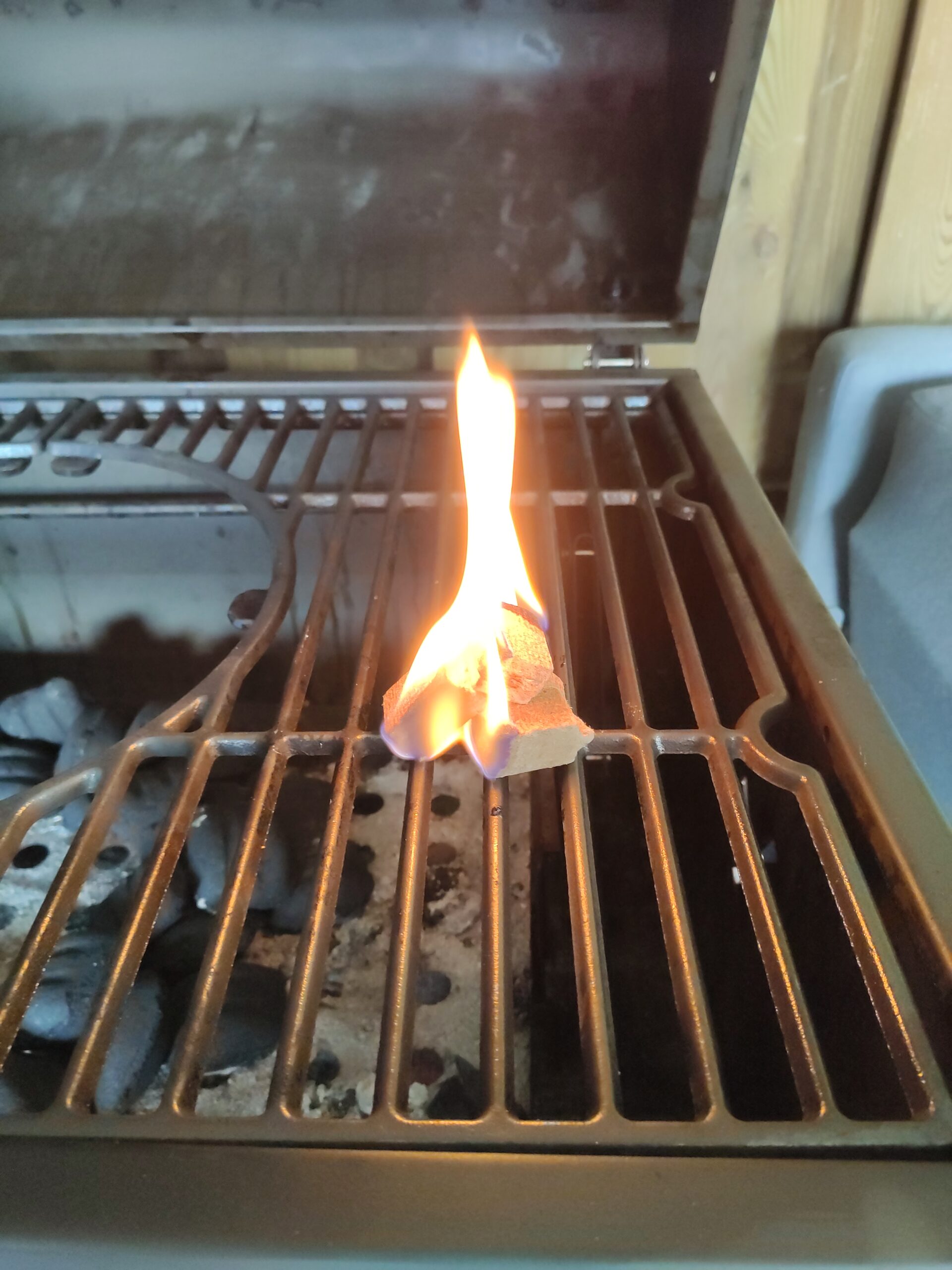
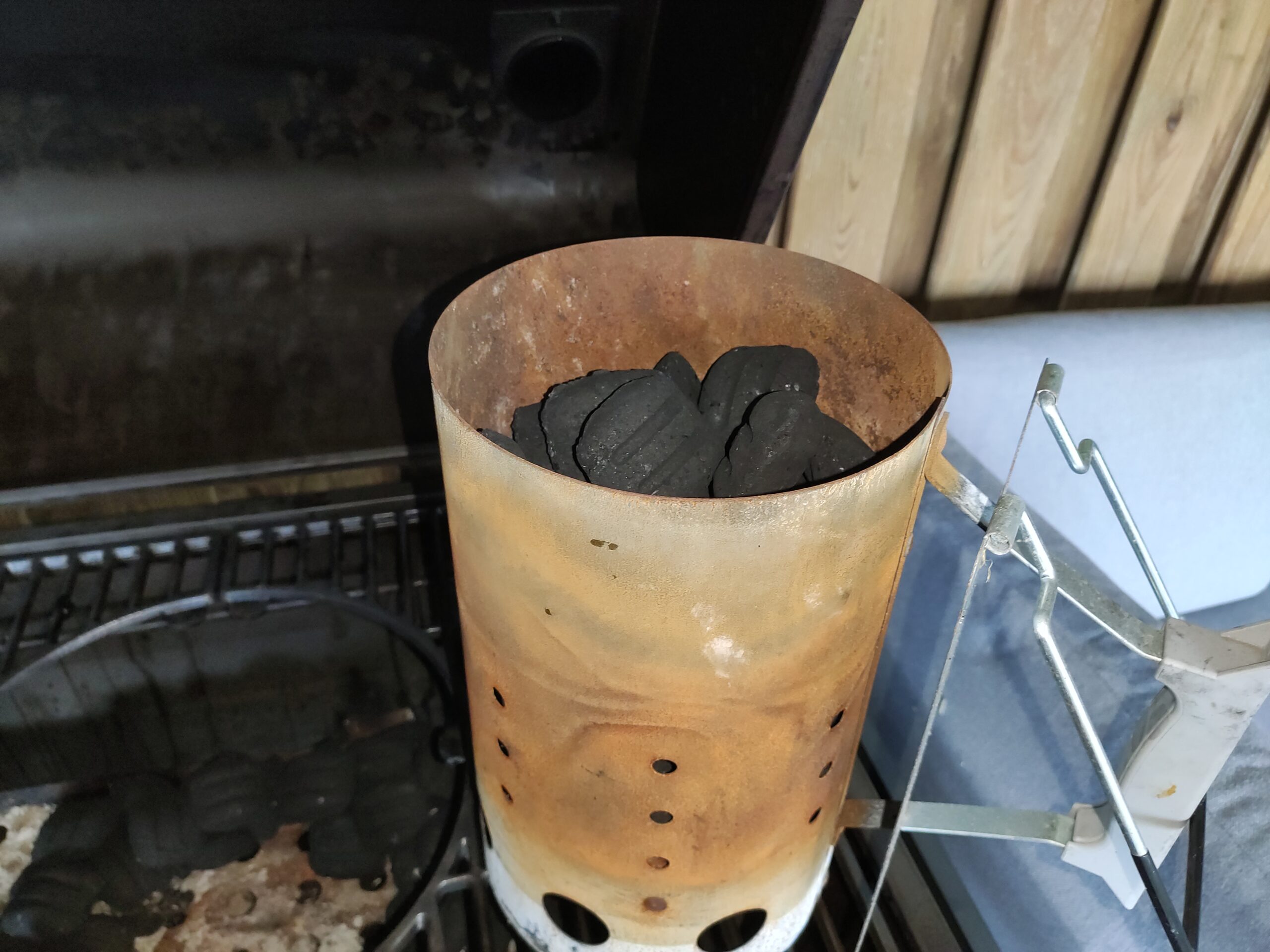
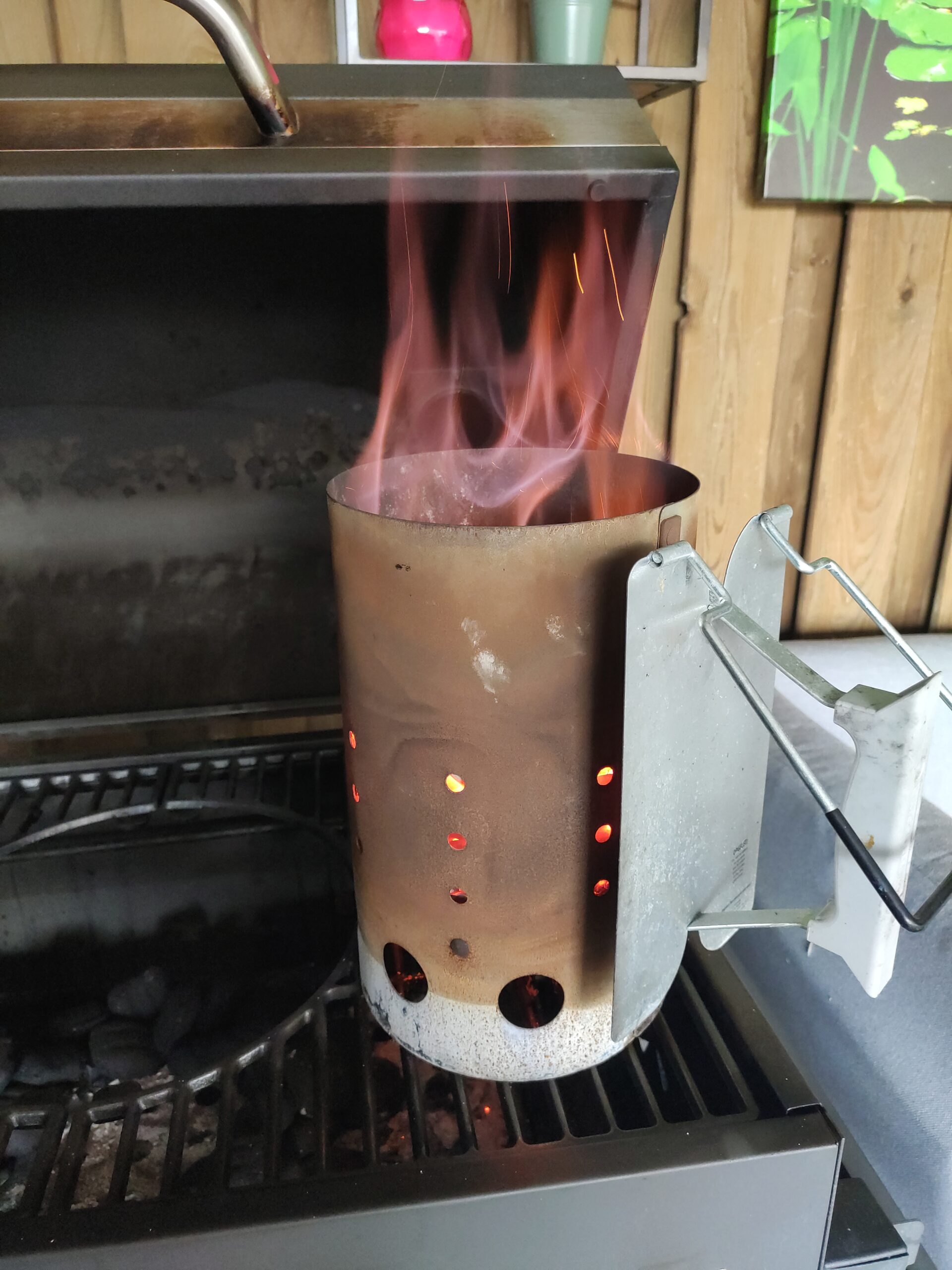
By making the snake wider with extra layers, Gijs can run the barbecue hotter. That does not mean you should throw away your chimney starter, though. It is very useful for lighting a small batch of coals that you place at the start of the snake (see this video). With the snake method, it can take 1 to 2 hours before enough coals are burning to hit your target temperature, and a few hot starter coals can reduce that startup time a lot.
Minion Method
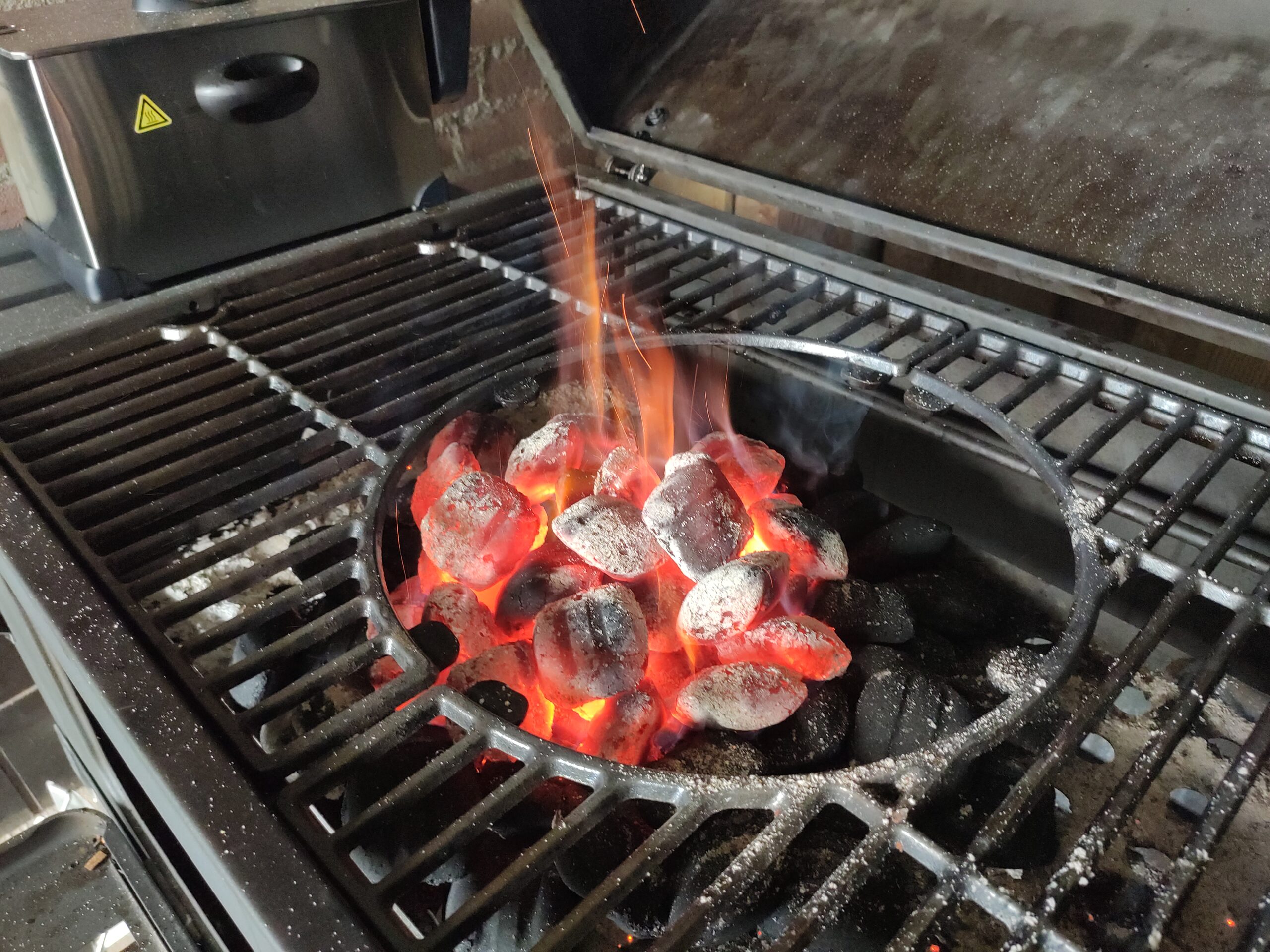
The minion method is another common way to keep a barbecue hot for longer. This method usually lasts a bit less long than the snake method above, but it is useful for reaching higher temperatures, for example when baking bread.
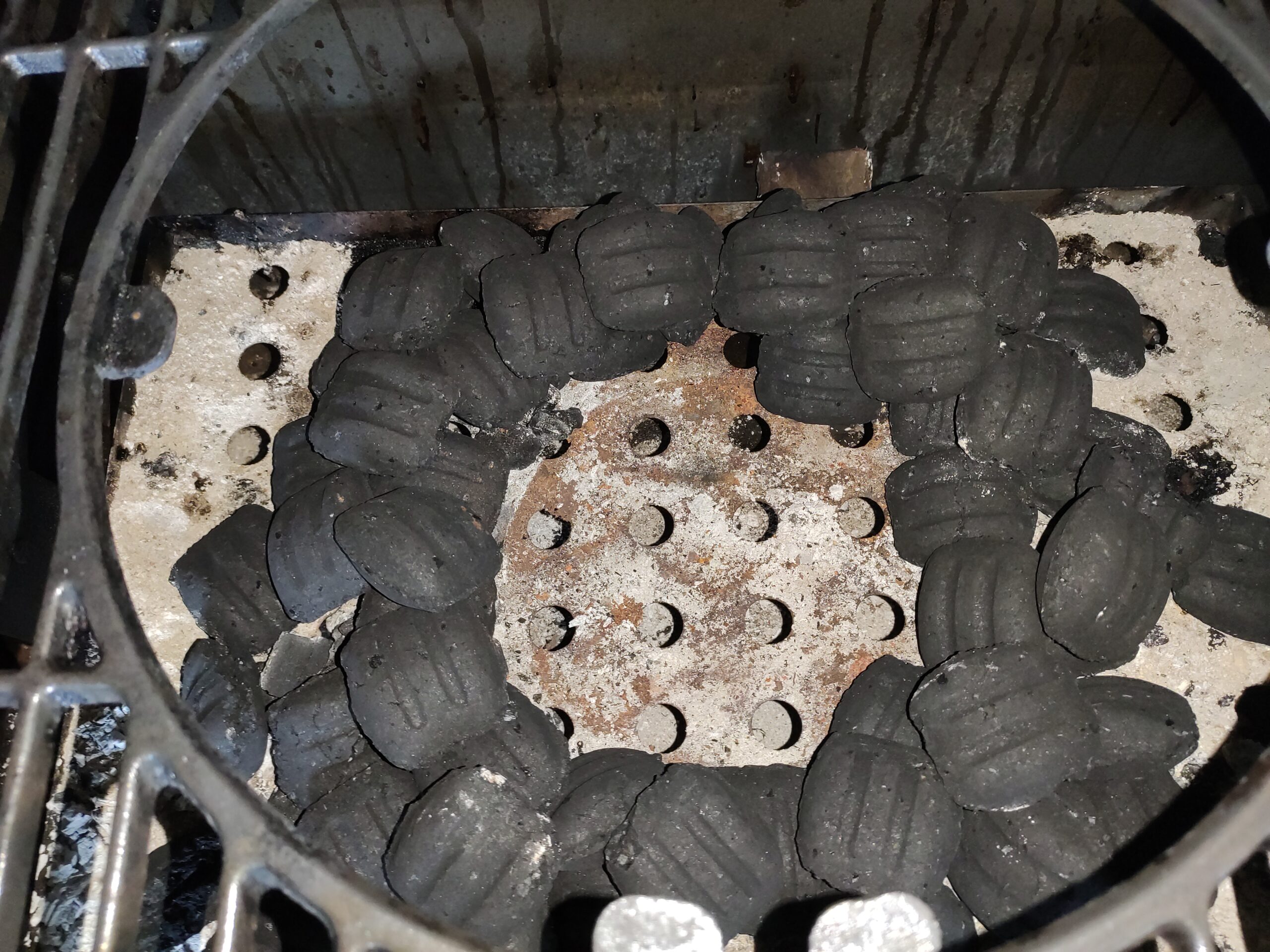
Building the minion setup is very similar to the snake setup, except the snake is now a full ring with no start or end. You also do not have to be as neat with the minion method as with the snake method. After that, Gijs lights some coals in a chimney starter, and when they are burning, he pours them into the center of the ring. Those hot center coals then gradually light the coals around them.
Compared to the snake method, more coals burn at the same time here, so the barbecue runs hotter. The trade-off is that fuel burns out faster, so refilling is needed sooner.
Wood or Coconut
There are a lot of positive stories about using coconut briquettes instead of charcoal. At the time of writing, Gijs has not used them yet, but he is open to trying them. As soon as he has more experience with coconut briquettes, you will find a full review here.